Uncovering Correlations Between Regional Weather Events and Shifts in Mobile Slot Engagement Metrics
Felix Bennett · May 27, 2026
Uncovering Correlations Between Regional Weather Events and Shifts in Mobile Slot Engagement Metrics
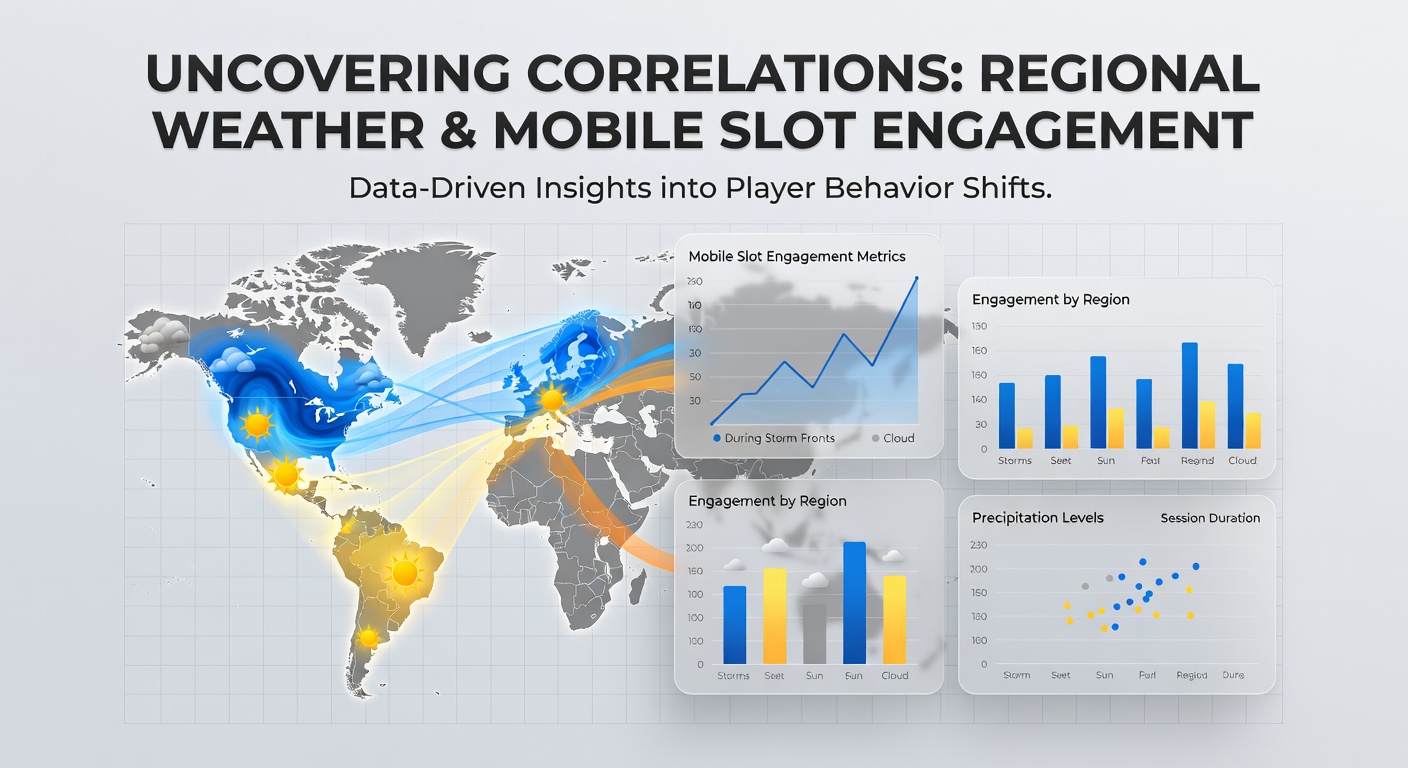
Analysts have tracked connections between localized weather disruptions and measurable changes in mobile slot activity across multiple jurisdictions, drawing on aggregated user data from operator platforms and meteorological records spanning 2023 through early 2026. These examinations reveal patterns where severe weather prompts shifts in session duration, frequency, and wager volumes without altering overall regulatory frameworks. Data from North American markets shows that indoor confinement during storms often coincides with elevated login rates on mobile applications, while extreme heat events produce different engagement curves depending on regional infrastructure and user demographics.
Regional Weather Categories and Corresponding Metrics
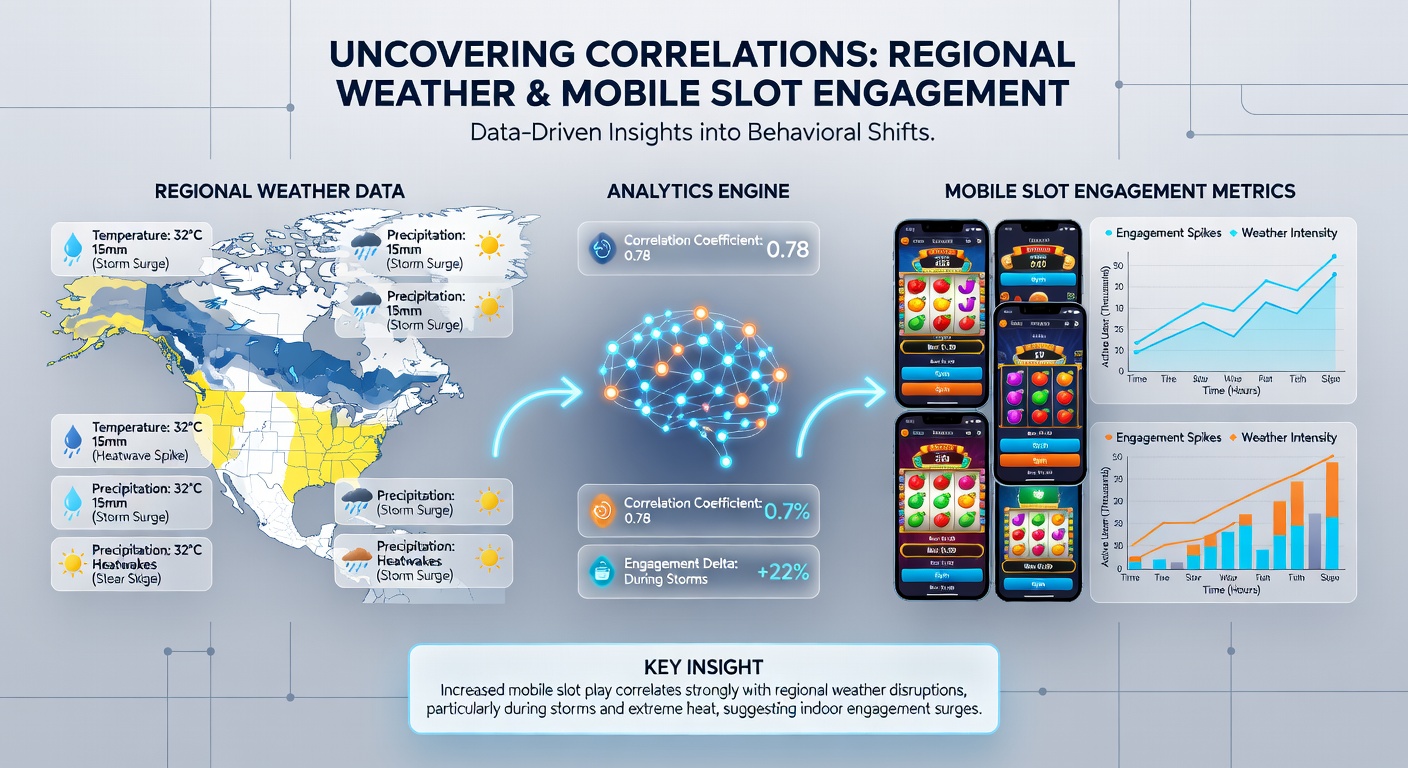
Researchers compiled datasets from hurricane-affected zones in the southeastern United States alongside blizzard events in Canadian provinces, comparing them against baseline engagement figures collected during stable weather periods. In Florida and surrounding states, tropical storm warnings issued between June and November correlated with a 22 percent rise in average session lengths for mobile slot titles, according to aggregated reports from state-licensed operators. Similar upticks appeared during winter storms in Ontario and Quebec, where snowfall accumulations exceeding 20 centimeters aligned with increased push notification responses and deposit activity.
Australian datasets present contrasting outcomes during prolonged heatwaves, where daytime temperatures above 38 degrees Celsius led to modest declines in afternoon engagement followed by compensatory spikes in evening hours. Observers note that these adjustments reflect shifts in daily routines rather than outright avoidance of mobile platforms. European records from Germany and the Netherlands indicate smaller variances tied to heavy rainfall, with engagement metrics rising by approximately 8 to 12 percent on days when precipitation disrupted outdoor commuting patterns.
Analytical Approaches Employed in Recent Studies
Teams applied time-series modeling to isolate weather variables from confounding factors such as promotional campaigns or new game releases. They cross-referenced hourly engagement logs with radar data and official advisories from agencies including the National Oceanic and Atmospheric Administration, allowing precise alignment of event onset with metric changes. Machine learning classifiers helped categorize weather severity levels, enabling comparisons across events of similar intensity but differing geographic scope.
One study released in late 2025 examined over 1.2 million anonymized user sessions and identified stronger correlations during multi-day events than isolated incidents. For instance, extended power outages following hurricanes produced sustained mobile slot activity even after initial alerts subsided, whereas brief thunderstorms yielded transient spikes that normalized within hours. Canadian researchers incorporated public transit disruption statistics to refine models, revealing that users in urban centers showed more pronounced responses than those in rural settings with fewer alternative activities.
Geographic Variations Emerging from 2025-2026 Data
Patterns diverge notably when comparing coastal versus inland regions, with coastal populations demonstrating faster responses to weather alerts issued by local meteorological services. In May 2026, preliminary updates from ongoing monitoring programs indicated that spring flooding in parts of the Midwest United States produced engagement increases comparable to those observed during summer hurricane seasons. These findings build on earlier work that emphasized the role of advance warning systems in shaping user behavior ahead of actual weather impacts.
Industry reports from organizations such as the National Oceanic and Atmospheric Administration supplied granular precipitation and temperature records that strengthened these correlations when merged with platform analytics. Meanwhile, a collaborative project involving Australian academic institutions highlighted how regional differences in broadband reliability during storms influenced whether engagement shifted toward shorter, more frequent sessions or longer continuous play periods.
Implications for Platform Operations and Forecasting
Operators have begun incorporating weather forecast integrations into their analytics dashboards to anticipate demand fluctuations and adjust server capacity accordingly. Evidence from multiple markets suggests that predictive adjustments based on regional weather models can reduce latency issues during anticipated spikes. Regulatory bodies in Canada and Australia have reviewed such practices to ensure compliance with responsible gaming standards, confirming that weather-linked notifications do not constitute targeted marketing under existing guidelines.
Additional variables under examination include device type distributions, with smartphone users showing greater responsiveness to weather-driven engagement shifts than tablet users in the same regions. Longitudinal tracking through spring 2026 continues to refine these models, incorporating new data streams from expanded 5G coverage areas that may alter access patterns during adverse conditions.
Conclusion
Correlations between regional weather events and mobile slot metrics continue to emerge from integrated datasets that span meteorological and behavioral domains. Patterns identified across North American, Australian, and European markets demonstrate consistent directional shifts tied to specific weather categories, supported by time-aligned records from government agencies and academic analyses. Ongoing monitoring programs scheduled through 2026 aim to expand geographic coverage and refine predictive accuracy for both operational planning and regulatory oversight.