Seasonal Tourism Waves Shape Adaptive Bonus Structures in Resort-Linked Gaming Destinations
Leon Flores · Jul 26, 2026
Seasonal Tourism Waves Shape Adaptive Bonus Structures in Resort-Linked Gaming Destinations
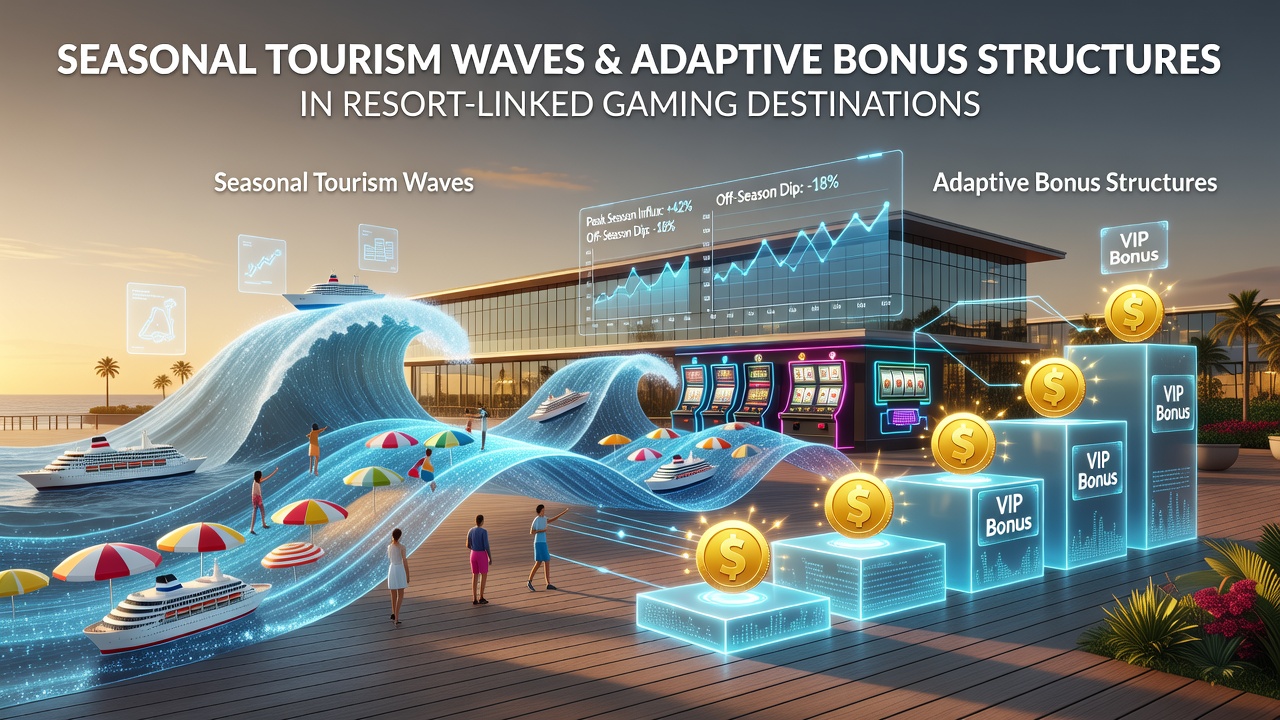
Resort-linked gaming destinations experience pronounced seasonal tourism waves that directly influence visitor volumes, occupancy rates, and revenue streams, prompting operators to implement adaptive bonus structures that align incentives with fluctuating demand patterns. Data from multiple jurisdictions shows these waves typically peak during summer months and holiday periods while creating slower intervals in shoulder seasons, which forces gaming properties to recalibrate promotions, deposit matches, and loyalty rewards to maintain steady engagement across the calendar year.
Understanding Tourism Wave Patterns in Gaming Resorts
Coastal and mountain resort destinations tied to gaming operations see clear cycles where summer arrivals surge because of school breaks and favorable weather, whereas winter months bring different crowds drawn by events such as skiing or indoor entertainment packages. Figures from regional tourism authorities indicate that properties in these areas often record 30 to 50 percent higher foot traffic between June and August compared with March or November, which creates pressure on gaming floors during peaks and underutilization during lulls. Observers note that July 2026 is projected to follow established patterns in North American resort markets, with increased arrivals from domestic and international travelers coinciding with major sporting events and festival schedules that extend average stay lengths.
These patterns extend beyond simple calendar effects because regional events, currency fluctuations, and transportation costs also modulate the size and composition of tourist cohorts. Research compiled by industry associations reveals that gaming resorts in the southern United States and parts of Canada adjust marketing calendars months in advance to anticipate these shifts, while properties in Asia-Pacific regions coordinate bonus timing with Chinese New Year and summer holiday outflows from major source markets.
Adaptive Bonus Structures Respond to Demand Cycles
Operators respond to these cycles by designing bonus frameworks that expand during low-demand periods to stimulate visits and contract or refocus during high-demand windows to protect margins. Deposit match percentages, free-play credits, and tiered loyalty multipliers frequently increase in shoulder months, whereas peak periods see emphasis on experiential rewards such as room upgrades or event tickets that complement rather than discount core gaming activity. Studies tracking player behavior across multi-state compacts demonstrate that adaptive systems achieve higher completion rates for wagering requirements when bonuses are scaled to seasonal occupancy forecasts rather than fixed year-round schedules.
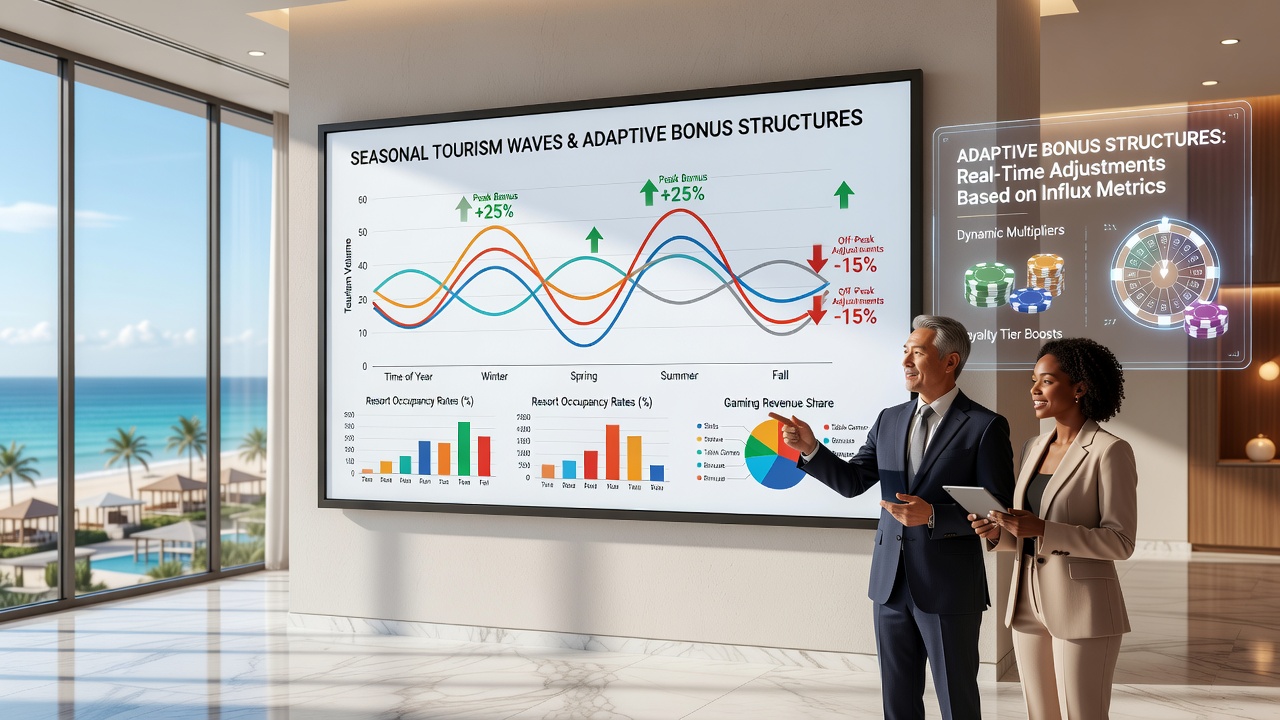
What's interesting is how properties integrate real-time data feeds from hotel management systems into bonus engines, allowing daily or weekly recalibrations that reflect actual arrival numbers instead of relying solely on historical averages. One study revealed that resorts employing such dynamic structures reported more consistent daily gaming revenue across quarters because incentives remained aligned with available room inventory and floor capacity.
Regional Examples and Implementation Approaches
Destinations in the southwestern United States illustrate one common approach where summer heat drives indoor gaming activity, prompting operators to layer heat-relief themed bonuses such as complimentary beverage credits and extended play sessions onto standard loyalty programs. In contrast, northern resort areas often front-load winter promotions around holiday travel surges, offering bundled packages that combine lodging, dining, and gaming credits to capture extended family groups. According to reports from the Nevada Commission on Tourism, these bundled structures have supported measurable lifts in mid-week visitation during traditionally slower stretches.
Canadian resort properties connected to First Nations gaming operations have adopted similar tactics, timing bonus rollouts to coincide with summer tourism peaks tied to national park visitation and winter events linked to local festivals. Data shared through cross-border industry networks shows these adaptive measures help stabilize employment levels for seasonal staff while smoothing revenue curves that would otherwise spike and dip sharply.
Technology and Data Integration Driving Adjustments
Modern systems now allow gaming operators to correlate weather forecasts, flight booking trends, and hotel reservation data with bonus deployment calendars, creating feedback loops that refine offers in near real time. Researchers at academic institutions studying hospitality analytics have documented cases where machine-learning models predicted tourism wave amplitude with sufficient accuracy to pre-stage bonus inventory and regulatory approvals weeks ahead of expected shifts. These capabilities prove especially valuable in jurisdictions where gaming commissions require advance notification for certain promotional structures, reducing administrative friction during rapid seasonal transitions.
Payment pathway preferences also shift seasonally, with credit card deposits rising during peak tourist months when visitors carry higher discretionary balances, while digital wallet usage climbs in slower periods among local and repeat players seeking smaller, more frequent transactions. Operators tracking these movements adjust bonus eligibility rules accordingly to maintain parity across funding methods.
Conclusion
Seasonal tourism waves continue to define operational realities for resort-linked gaming destinations, and adaptive bonus structures represent the primary mechanism through which properties maintain engagement and revenue stability across those cycles. Evidence from multiple markets confirms that data-informed, flexible incentive programs deliver more consistent performance than static offerings, particularly as tourism patterns evolve under changing economic and climatic conditions. Properties that align bonus timing, value, and delivery channels with documented visitor flows position themselves to capture opportunities in both high and low seasons without compromising regulatory compliance or margin objectives.