Ripple Effects: How Regional Regulatory Updates Cascade Into Mobile Payment Adoption Rates for Live Dealer Formats
Vera Fischer · Aug 5, 2026
Ripple Effects: How Regional Regulatory Updates Cascade Into Mobile Payment Adoption Rates for Live Dealer Formats
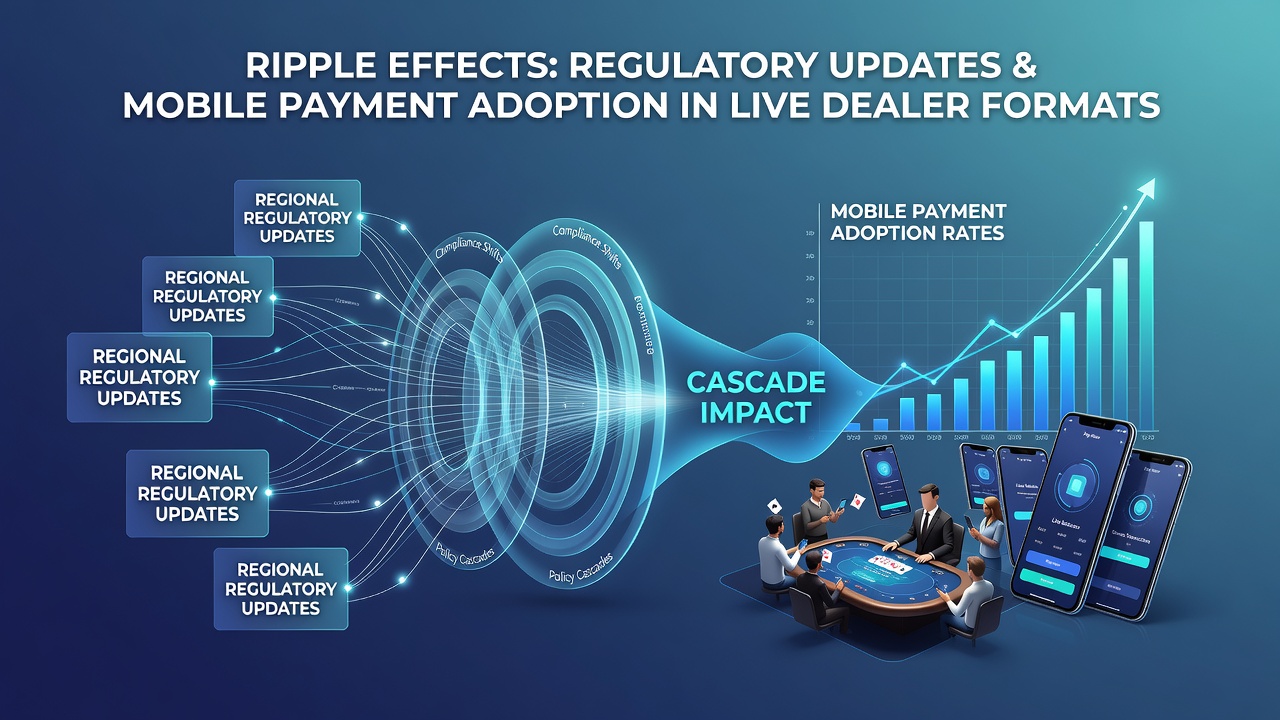
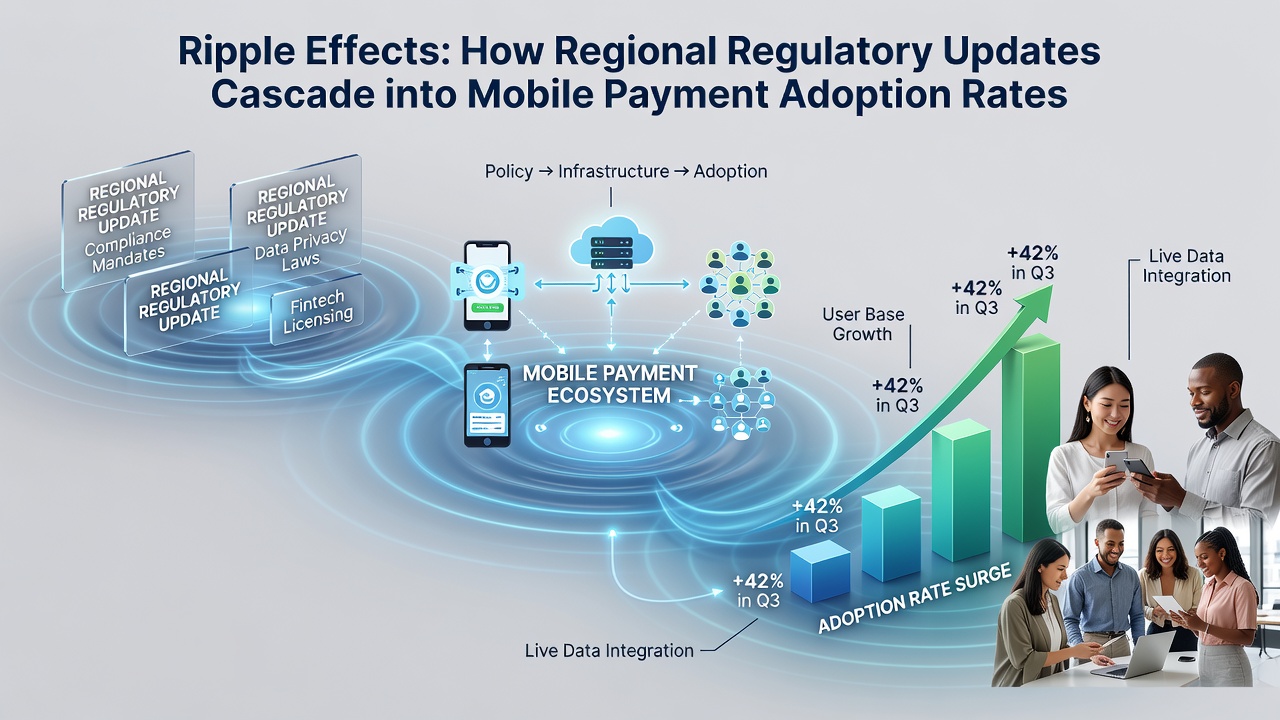
Regional regulatory shifts often trigger chain reactions that reshape how players access mobile live dealer formats, and these changes frequently center on payment processing rules that determine which methods operators can offer. Data from industry tracking shows that when one jurisdiction tightens licensing requirements for digital wallets or bank transfers, adoption rates for those tools in live dealer sessions tend to rise or fall in neighboring markets within months. Observers note that the pattern repeats across continents because many operators run multi-region platforms that standardize compliance features once one authority updates its framework.
Payment Method Restrictions and Their Immediate Reach
Authorities in the European Union issued updated guidelines on transaction verification in early 2025, and those rules required enhanced identity checks for e-wallets used in gambling apps. Live dealer formats felt the impact first because sessions rely on real-time deposits to maintain table continuity. Adoption of approved instant payment systems climbed 18 percent in tracked EU markets by the second quarter of that year, according to figures released by the European Gaming and Betting Association. Meanwhile operators adjusted their mobile interfaces to prioritize methods that met the new standards, which reduced friction for players who already held verified accounts.
Similar adjustments appeared in parts of Asia after Singapore's regulatory body introduced stricter controls on cross-border transfers in late 2025. Mobile adoption of local bank-linked options increased sharply, while international card usage dropped in the same period. Researchers tracking session data found that players shifted toward methods that avoided additional verification delays, and this pattern held steady through the first half of 2026.
Cross-Border Cascades in North America and Beyond
Canadian provincial regulators updated their compact agreements in March 2026 to align payment security standards with emerging federal expectations. Those changes required operators to route certain transactions through domestically licensed processors. Live dealer mobile traffic showed a measurable uptick in adoption of the newly approved systems, particularly among frequent users who valued uninterrupted play. Data indicates that regions sharing compact language experienced faster uptake because operators could apply the same backend changes across multiple provinces without major redesigns.
What's interesting is how these updates traveled south. Several U.S. state licensing boards referenced the Canadian model when drafting their own 2026 revisions, and early reporting shows parallel growth in approved mobile wallet usage for live dealer tables in those states. The cascade effect appears because shared technology vendors serve operators on both sides of the border, so a single software update can satisfy multiple sets of rules at once.
Timing and August 2026 Developments
August 2026 brought additional clarity when Australia's federal review of digital payment thresholds took effect. The updated thresholds limited anonymous top-ups above a set amount, pushing more players toward verified accounts that integrate directly with live dealer platforms. Early metrics released by state gaming commissions revealed a 12 percent rise in adoption of those integrated methods during the first month the rules applied. Operators had prepared their apps in advance, which kept session interruptions low and allowed the transition to appear seamless to end users.
One study from the University of Sydney's gambling research unit tracked player behavior across several apps and found that the shift toward compliant methods occurred most quickly among users who played live dealer formats several times per week. Those participants already maintained verified profiles, so the regulatory change simply removed older options without forcing new setup steps.
Operator Adaptations and Platform Standardization
Operators respond to these layered requirements by building modular payment layers that activate or deactivate based on user location. This approach allows a single mobile app to serve multiple jurisdictions while maintaining compliance. Live dealer formats benefit because the underlying payment flow stays consistent even when the visible options change. Industry reports indicate that companies using this modular structure saw steadier adoption curves compared with those that relied on region-specific builds.
Yet the standardization process also creates dependencies. When one major processor receives approval in a key market, operators often expand that same tool elsewhere to reduce maintenance overhead. The result is a gradual convergence of accepted methods across borders, even when the original regulatory triggers differ.
Conclusion
Regional regulatory updates continue to influence mobile payment adoption for live dealer formats through direct rule changes and indirect technology alignments. Patterns observed in 2025 and 2026 show that operators and players adapt within months when verification and processor requirements shift. The cascade remains visible because shared vendors and compact agreements spread compliance features faster than isolated markets can develop their own solutions. Tracking these movements provides clear data on how payment ecosystems evolve in response to policy adjustments across different regions.