Regulatory Shifts Influencing Loyalty Reward Structures in Cross-Border Mobile Table Platforms
Leon Carter · Jul 17, 2026
Regulatory Shifts Influencing Loyalty Reward Structures in Cross-Border Mobile Table Platforms
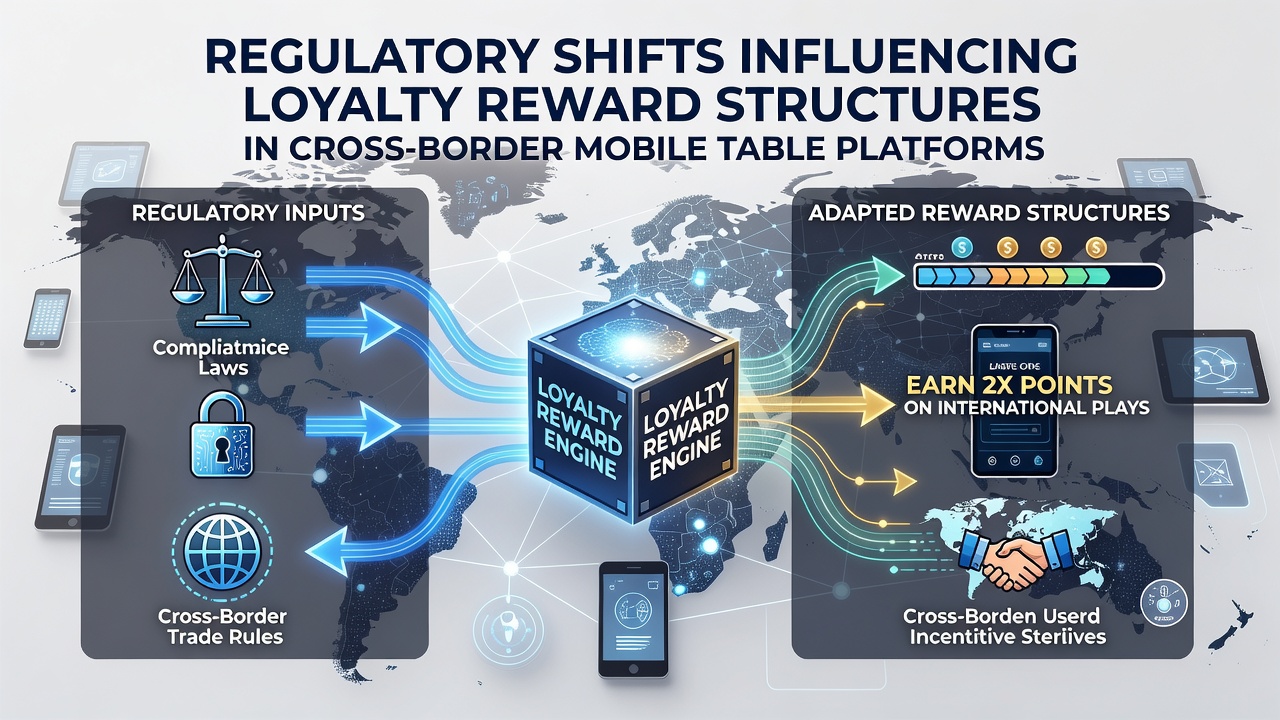
Regulatory frameworks across multiple jurisdictions continue to reshape how operators structure loyalty rewards within cross-border mobile table platforms, and these adjustments affect point accrual rates, redemption options, and eligibility criteria for players engaging in games like blackjack and roulette through apps that span national boundaries.
Key Regulatory Developments in 2025-2026
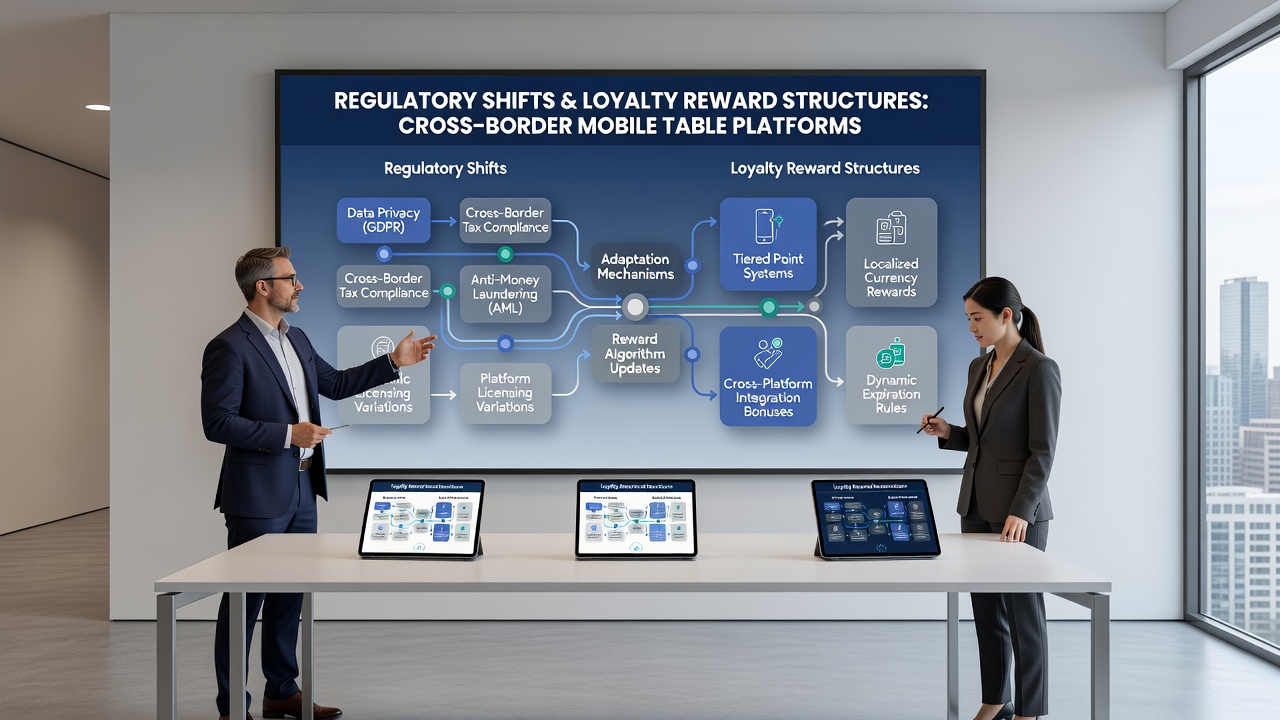
Observers note that updates from bodies such as the Malta Gaming Authority and the Australian Communications and Media Authority have introduced stricter requirements on cross-border data sharing, which directly influences how loyalty programs calculate rewards based on player activity tracked across different regulatory zones. These changes emerged after consultations that concluded in late 2025, and they require platforms to segment user data more precisely when rewards involve real-money table game sessions.
Figures from industry reports indicate that operators must now verify player locations in real time before awarding bonus points, a process that alters the speed at which rewards accumulate during international play sessions. Research from the European Gaming and Betting Association highlights how such verification protocols have led to revised tier structures, where higher loyalty levels now demand consistent activity within single jurisdictions rather than aggregated play across borders.
Effects on Point Systems and Redemption
Operators have adjusted accrual formulas in response to these rules, and data shows that mobile table platforms now apply jurisdiction-specific multipliers to points earned from games such as baccarat or poker variants. This approach ensures compliance while maintaining reward value, though it creates layered calculations that players must navigate through app interfaces.
Redemption options have also shifted, with many programs restricting cash-equivalent rewards to verified domestic accounts only. Those who've studied these patterns note that cross-border participants often see their accumulated points converted at adjusted rates when moving between regions governed by separate compacts.
Case Examples from Mobile Table Operators
One platform operating across European and North American markets revised its loyalty structure in early 2026 after new compact agreements took effect, and it introduced separate reward pools that prevent points earned in one region from transferring directly to another. This modification followed guidance issued by provincial regulators in Canada, which emphasized consumer protection standards for digital table gaming.
Another operator serving markets in Asia-Pacific regions implemented automated compliance checks that pause point awards during detected cross-border transitions, and studies of similar implementations reveal reduced dispute rates related to reward eligibility. These adjustments align with broader efforts to standardize reporting on player rewards under updated multi-jurisdictional agreements.
Implications for Player Behavior and Platform Design
Players engaging with cross-border mobile table platforms have adapted by concentrating sessions within preferred regulatory environments, according to engagement metrics collected through app analytics. This behavioral shift coincides with platform redesigns that display real-time loyalty status based on current location compliance.
By July 2026, several major providers plan further updates tied to emerging standards from the International Association of Gaming Regulators, and these revisions focus on transparency around how regulatory changes modify reward thresholds. Evidence suggests that integrated dashboards will become standard features, allowing users to view segmented point balances without manual calculations.
Conclusion
Regulatory shifts continue to drive modifications in loyalty reward structures for cross-border mobile table platforms, and operators respond through segmented systems, real-time verifications, and adjusted redemption pathways. Data from multiple oversight bodies confirms these patterns, while platform adaptations reflect ongoing alignment with jurisdiction-specific requirements that govern point accrual and usage across borders.