Regional Tourism Surges and Their Ties to Live Dealer Table Selections in Cross-Border Apps
Leon Carter · Jun 21, 2026
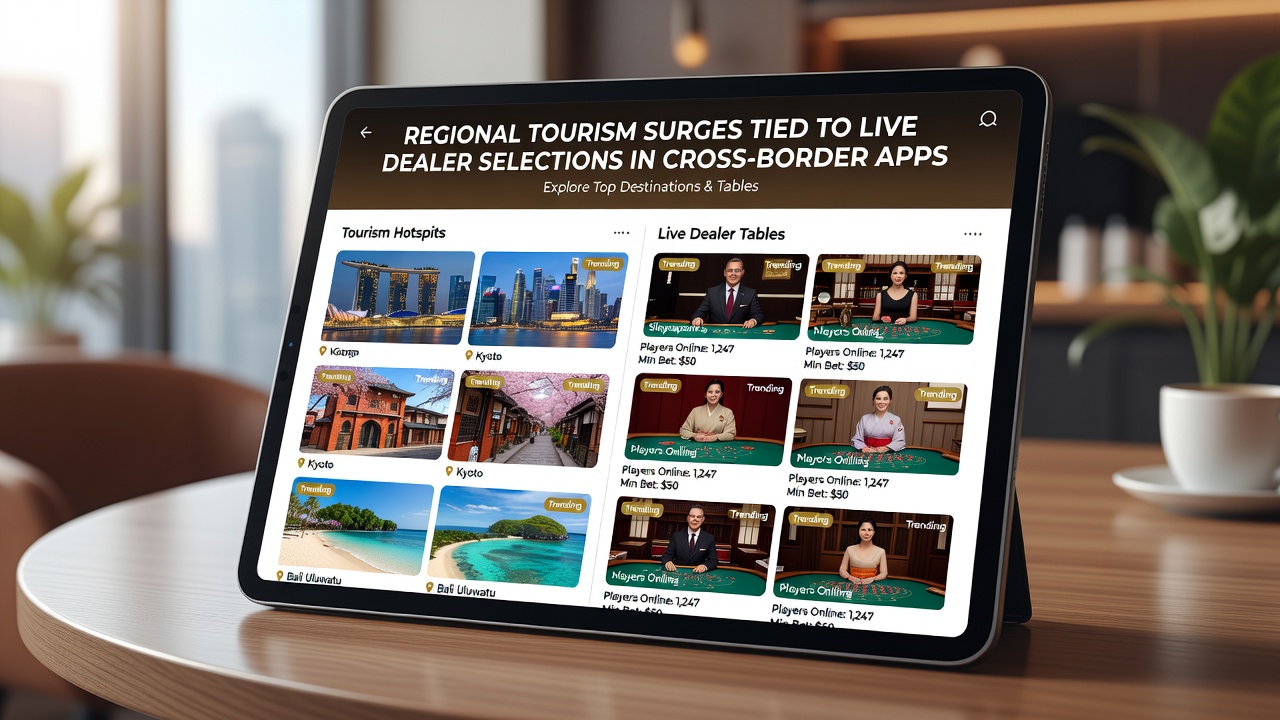
Regional Tourism Surges and Their Ties to Live Dealer Table Selections in Cross-Border Apps
Regional tourism has shown notable increases in several areas since early 2025, and data from multiple markets points to shifts in how visitors interact with live dealer table options through cross-border applications. These patterns emerge where visitor numbers rise alongside expanded app usage that lets users select tables hosted in different jurisdictions.
Tourism Growth Patterns Across Key Regions
Visitor arrivals in parts of Southeast Asia and Eastern Europe climbed by double-digit percentages in the first half of 2026 according to reports from national tourism agencies, and similar upticks appeared in selected Canadian provinces during the same period. These surges coincided with broader adoption of mobile platforms that stream live dealer blackjack, roulette, and baccarat from licensed operators located outside the traveler's home country.
Analysts tracking app telemetry found that sessions originating from high-tourism zones often featured longer dwell times on tables with lower minimum bets, while selections shifted toward variants that allow quick rule adjustments. Cross-border apps handle currency conversion and regulatory compliance automatically, which removes friction for users moving between markets.
Live Dealer Preferences Linked to Visitor Demographics
Usage logs from several platforms reveal that travelers from Europe tend to favor European roulette wheels when accessing apps while visiting Asian destinations, whereas North American visitors show higher selection rates for blackjack tables with side bets. These choices align with familiarity from domestic offerings yet appear amplified when users operate from regions experiencing tourism growth.
June 2026 figures from industry tracking services indicated a 22 percent rise in live dealer table switches among accounts registered in provinces that reported record hotel occupancy. Observers attribute part of this movement to improved network reliability in resort areas and to promotional bundles that bundle travel incentives with deposit credits usable across multiple table types.
App Features Driving Table Selection Shifts
Cross-border applications incorporate geolocation filters that surface tables compliant with both the user's temporary location and the operator's licensing jurisdiction, and this functionality correlates with increased experimentation among tourists. Features such as multi-language dealer interactions and real-time betting limits adjusted for local time zones further support extended play sessions during travel periods.
Research compiled by the Asia-Pacific Gaming Association shows that apps integrating these tools recorded higher table rotation rates in markets like Thailand and Poland during peak tourist months. Participants often move between three or four distinct live dealer environments within a single session, selecting based on dealer pace and table atmosphere rather than fixed game rules.
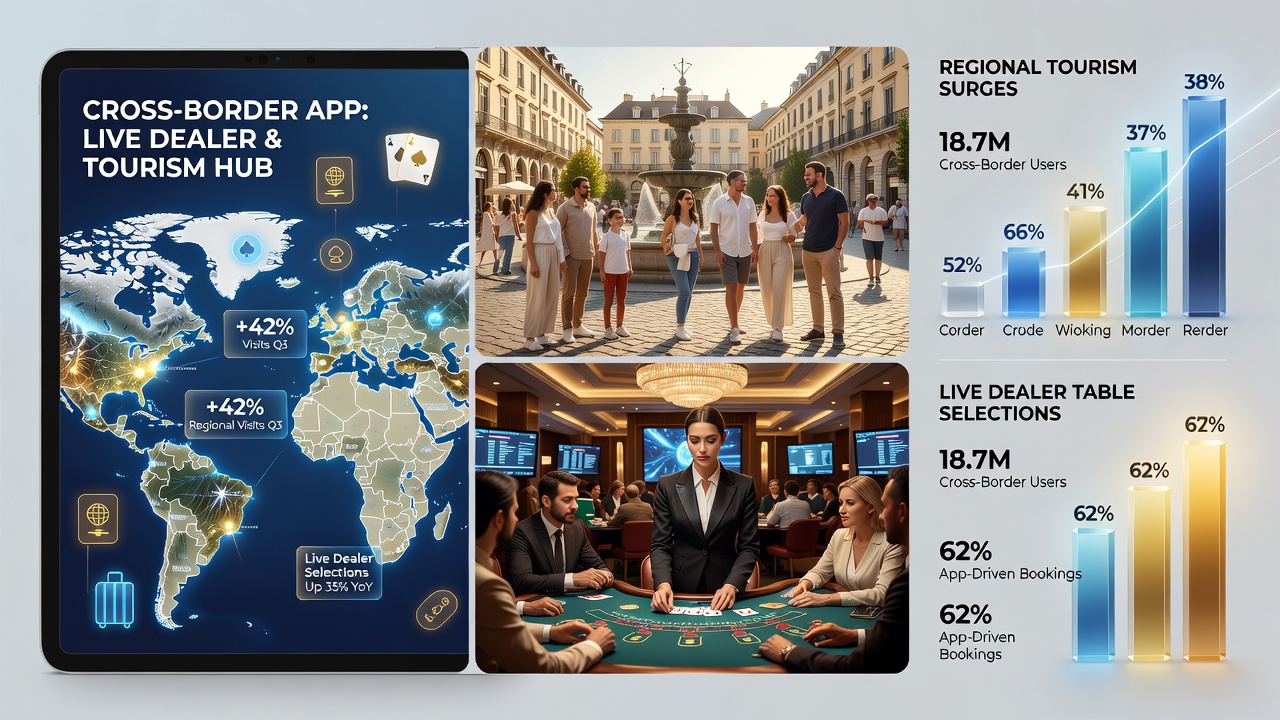
Regulatory and Infrastructure Factors
Regulatory frameworks in destination countries increasingly accommodate temporary access to foreign-hosted tables provided operators maintain separate licensing for cross-border traffic, and this setup has coincided with infrastructure upgrades at major airports and hospitality hubs. Network providers in high-traffic tourist corridors report expanded 5G coverage that supports stable video streams for live dealer feeds.
Statistics released by Tourism Australia and counterpart agencies in the European Union document parallel growth in app downloads among inbound visitors, with live dealer categories consistently ranking among the top three activity types. These downloads frequently occur within the first 48 hours of arrival, suggesting that regional tourism surges directly influence initial platform choices.
Cross-Border Data Correlations
Studies examining transaction metadata across multiple operators found that deposit volumes originating from tourist-heavy regions track closely with the number of live dealer tables accessed per account, while average session duration extends when users remain in the destination country. Currency fluctuation tools built into the apps help stabilize betting amounts regardless of exchange rate movements during travel.
One analysis of user pathways between state-regulated domestic apps and offshore platforms during compact renegotiations showed that travelers maintain activity levels by switching table selections rather than pausing play. This migration pattern holds across different regulatory environments and appears tied to the physical movement of users rather than changes in game mechanics alone.
Conclusion
Available data connects regional tourism increases with measurable changes in live dealer table selections inside cross-border applications, driven by infrastructure improvements, regulatory accommodations, and user interface features that respond to traveler locations. Continued monitoring through 2026 will clarify whether these patterns stabilize or evolve with further shifts in visitor flows and app capabilities.