Payment Pathways Shaping Game Preferences Among App-Based Players
Leon Carter · May 31, 2026
Payment Pathways Shaping Game Preferences Among App-Based Players
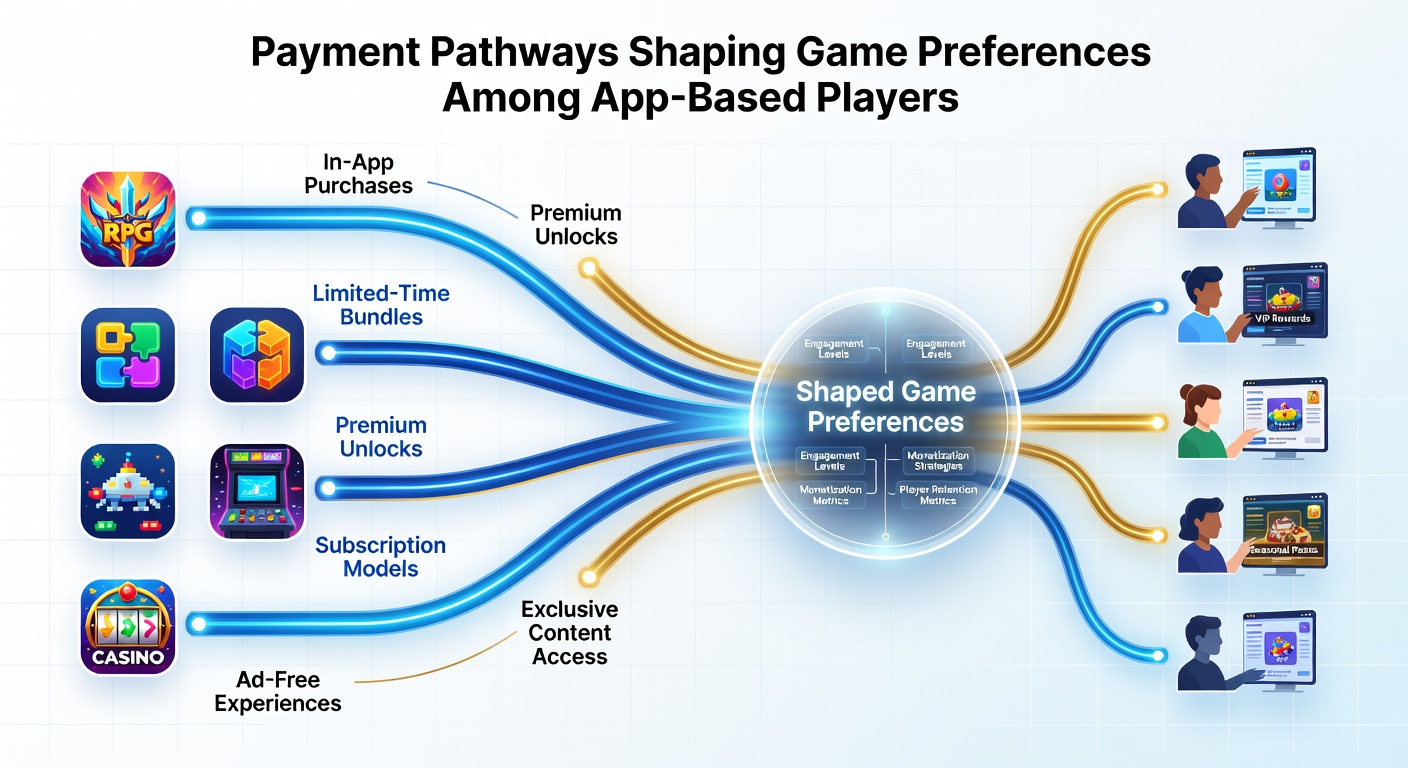
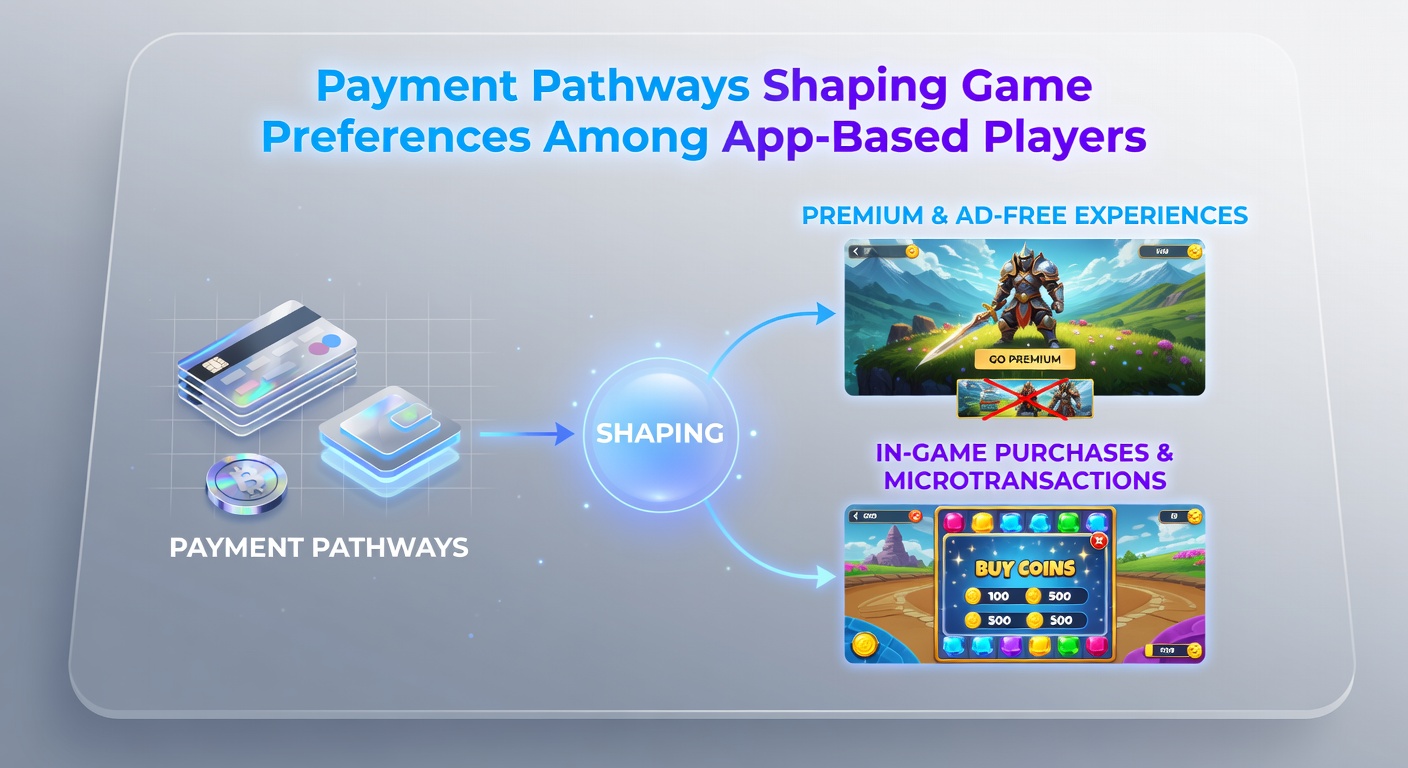
Payment methods available through mobile platforms continue to influence how app-based players select games, with transaction speed, security features, and regional availability playing central roles in those decisions. Data from multiple markets shows that players who rely on instant digital wallets often gravitate toward high-frequency titles such as slots and quick-play variants, whereas those using bank transfers or card-based systems tend to spend more time on table games and strategic formats that reward longer sessions. Researchers tracking user behavior across Europe and North America have documented clear patterns where payment friction correlates with session length and game type. When deposits clear within seconds, players complete more rounds per hour and shift toward titles with rapid outcomes, while delays of several minutes or hours coincide with preferences for slower-paced options that allow planning between rounds. These trends emerge consistently in aggregated platform analytics even as individual habits vary by age group and device type.Transaction Speed and Game Selection Patterns
Instant payment rails such as certain e-wallets and mobile carrier billing reduce the interval between decision and play, which aligns with higher engagement in short-cycle games. Platform records indicate that sessions initiated through these methods average shorter durations yet higher round counts compared with those funded by traditional bank wires. Observers note that the reduced wait time lowers the psychological barrier to trying new titles, particularly in categories where outcomes resolve in under a minute. Conversely, payment pathways that require manual verification or batch processing appear alongside extended play in games like blackjack and roulette variants. Players who choose these routes often maintain larger balances across multiple days, and the deliberate nature of the deposit process matches the pacing of strategy-focused titles. Studies of app telemetry reveal that teh same users switch preferences when they alternate between payment types on a single account, suggesting the pathway itself guides initial choices rather than fixed player traits alone.Security Features and Regional Availability
Security protocols embedded in different payment systems also shape preferences. Methods that incorporate biometric confirmation or tokenization see greater use among players selecting live dealer tables, where larger wagers occur. In contrast, simpler one-click options dominate in markets where casual slot play accounts for the majority of volume. Regulatory frameworks in various jurisdictions further segment available pathways, with some regions restricting certain e-wallets while others promote open banking integrations that streamline verification. According to figures released by the European Gaming and Betting Association, markets with broader instant-payment adoption report elevated slot participation rates among mobile users relative to regions still reliant on card or wire transfers. Similar patterns appear in Australian regulatory summaries, where real-time payments have expanded and coincided with measurable upticks in quick-play game metrics during 2025.