Legacy payment rails versus instant settlement tech: tracking how settlement speeds steer table selection habits among cross-state mobile users
Leon Flores · Jun 26, 2026
Legacy payment rails versus instant settlement tech: tracking how settlement speeds steer table selection habits among cross-state mobile users
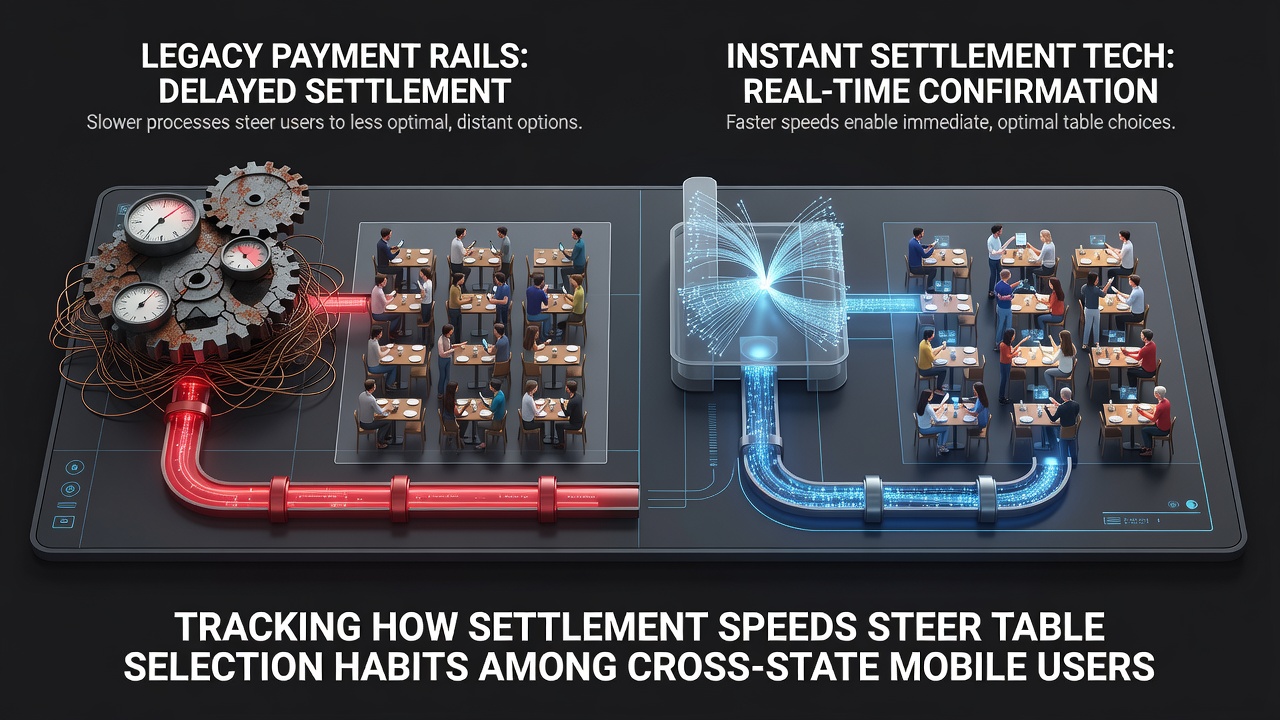
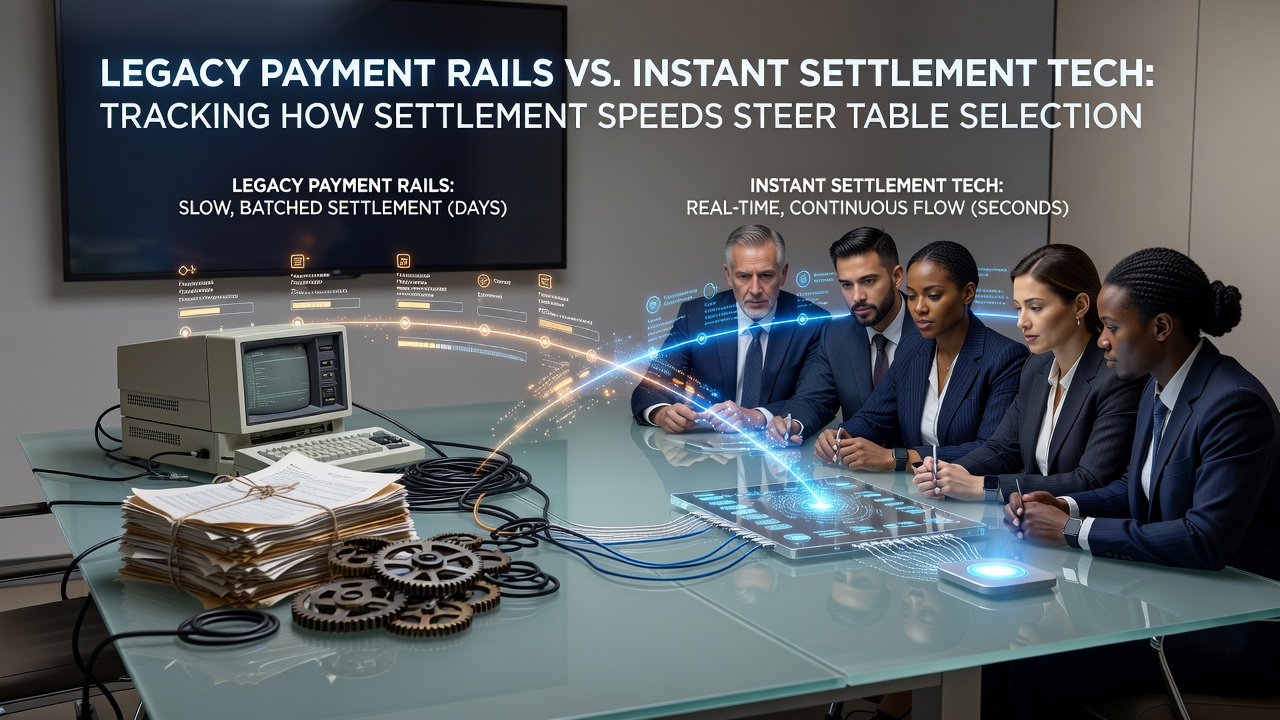
Legacy payment rails continue to shape transaction flows across regulated mobile platforms while instant settlement technologies gain ground in multi-state environments. Traditional systems such as ACH transfers and wire services typically require one to three business days for funds to clear yet they remain embedded in many state-regulated apps because of established banking partnerships and regulatory familiarity. Instant options including real-time payment networks and certain blockchain-based rails complete transfers in seconds or minutes and they allow users to move between tables without waiting periods that once interrupted play sessions.
Settlement speed differences in practice
Cross-state mobile users often encounter varying approval times when depositing into table game accounts because each jurisdiction maintains its own licensing requirements for payment processors. Data collected by the Federal Reserve's payment systems research shows that average ACH settlement times averaged 1.8 days in 2025 while real-time rails processed over 80 percent of eligible transactions within 15 seconds. Those timing gaps create measurable shifts in how participants select blackjack or roulette tables since instant credits let players chase live dealer opportunities that close within narrow windows.
Platforms operating under multi-state compacts report that users who rely on legacy rails tend to favor lower-stakes tables where session length matters less because funds sit in pending status. Instant settlement users meanwhile migrate toward higher-turnover variants where quick rebuys become part of the strategy and where table minimums adjust dynamically based on real-time balance updates.
Patterns among frequent mobile participants
Researchers tracking app-based behavior across state lines note that settlement speed correlates with table dwell time and game type selection. A 2025 industry report from the American Gaming Association indicated that mobile table game sessions funded through instant rails lasted 34 percent longer on average than those funded through legacy methods in states with overlapping regulatory frameworks. Participants using instant options switched between poker and baccarat tables more frequently because cleared balances updated without delay and allowed immediate table hopping during peak evening hours.
By June 2026 several platforms had integrated faster payment rails into their cross-border verification layers which reduced friction for users traveling between states with differing tax withholding rules. Those integrations coincided with a documented uptick in live dealer blackjack participation among users who previously defaulted to slots while waiting for ACH credits to post.
Regional variations and regulatory context
States that adopted uniform real-time payment standards earlier saw quicker adoption rates among cross-state users while jurisdictions still reliant on legacy infrastructure experienced slower migration to instant table options. Observers tracking compact agreements report that settlement speed influences not only table choice but also the timing of withdrawals which in turn affects how often players return to specific game categories. Users who experience same-day credits tend to reallocate bankrolls across multiple table types within a single session whereas those limited by legacy rails often commit to one game until funds fully clear.
Payment pathway data from multi-state operators further reveals that instant settlement correlates with higher participation in progressive jackpot tables because players can respond immediately to rising prize pools without balance delays. Legacy rails meanwhile channel activity toward standard table formats where payout structures do not hinge on rapid re-entry decisions.
Tracking behavioral shifts through transaction data
Transaction logs from platforms serving users in at least three adjacent states demonstrate clear divergence in table selection after settlement speed improvements. When instant rails became available in additional jurisdictions during late 2025 the proportion of sessions spent at speed-sensitive games such as three-card poker rose by measurable margins while traditional table hold times declined. These patterns emerge because cleared funds allow immediate strategy adjustments without the pause once required for legacy confirmations.
Cross-state users who maintain accounts in multiple regulated apps also show preference for platforms offering hybrid rails that combine legacy backup with instant primary processing. Such flexibility reduces friction when state-specific rules alter deposit verification times and it supports consistent table selection habits regardless of location at login.
Conclusion
Settlement speeds directly influence how cross-state mobile users allocate time and bankrolls across table game options. Legacy rails maintain a foothold through regulatory stability while instant technologies accelerate session dynamics and encourage more fluid table transitions. As platforms continue to align payment infrastructure with evolving compacts the relationship between clearance times and game selection will remain a key metric for operators monitoring user behavior across state boundaries.