Highway 16 Transformation: Mosquito Grizzly Bear’s Head Lean Man First Nation Drives $100M Casino Resort Forward
Felix Bennett · Apr 17, 2026

Highway 16 Transformation: Mosquito Grizzly Bear’s Head Lean Man First Nation Drives $100M Casino Resort Forward
The Community Meeting That Lit the Spark
Stakeholders gathered in North Battleford, Saskatchewan, on April 14, 2026, for a pivotal community meeting where the Mosquito Grizzly Bear’s Head Lean Man First Nation (MGBHLM) laid out bold plans for its $100 million casino and resort project; this event, buzzing with local interest, updated attendees on the relocation of the existing Gold Eagle Casino to a prime 67-acre site along Highway 16 West, promising a full-scale redevelopment complete with a new hotel and convention center.
Attendees heard details straight from MGBHLM leaders, who emphasized how the project aligns with long-term goals for economic self-sufficiency, while drawing an estimated 500,000 annual visitors to invigorate tourism in the region; that's the kind of draw that turns quiet highways into bustling corridors, observers note, especially in areas hungry for investment.
But here's the thing: this isn't just relocation—it's expansion on a grand scale, with construction slated to span three years and generate over 350 jobs during the build phase alone, followed by 400 long-term positions once doors open.
Project Blueprint: From Casino Relocation to Resort Destination
The Gold Eagle Casino, currently operating under MGBHLM management, moves to this expansive Highway 16 West location, where developers envision a modern facility blending gaming floors with hospitality amenities; the 67-acre parcel offers room for parking, green spaces, and infrastructure that ties into North Battleford's growth trajectory, according to project updates shared at the meeting.
What's interesting is the integrated design—a hotel towering alongside the casino, convention center drawing events from across Saskatchewan, and all positioned to capture traffic along one of Canada's key Yellowhead Highway routes; data from similar First Nations-led ventures, like those tracked by the Saskatchewan Indian Gaming Authority (SIGA), shows such complexes boost local economies by anchoring visitor spending in food, lodging, and entertainment.
Construction kicks off soon after approvals, stretching over three years because precision matters in projects this size—phased groundwork first, then structural rises, and finally interior fits that meet provincial standards; experts who've studied prairie developments point out how sites like this one leverage flat terrain for quick scalability, minimizing delays that plague hillier builds elsewhere.
And take one case from nearby regions: when First Nations in Alberta pursued comparable resorts, they saw visitor numbers climb steadily, much like the 500,000 projected here, since easy highway access pulls in day-trippers from Edmonton or Regina without the hassle of urban congestion.
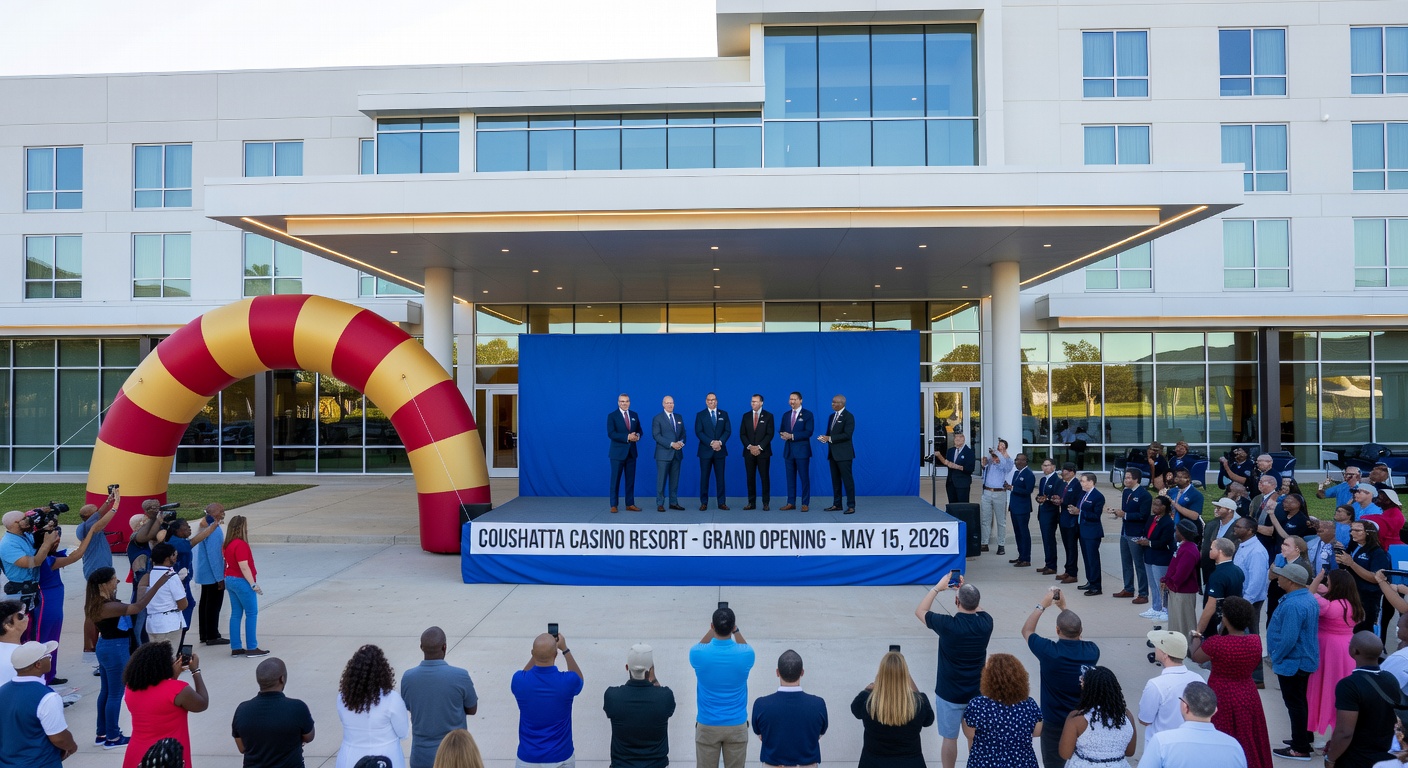
Key Figures Steering the Vision
MGBHLM Chief Tanya Stone stood at the forefront during the April 14 meeting, articulating how the project empowers the First Nation's future while fostering partnerships; alongside her, FSIN Chief Bobby Cameron voiced support, highlighting federation-wide benefits from such initiatives that span Saskatchewan's 74 First Nations.
SIGA CEO Zane Hansen brought industry weight to the table, detailing operational synergies since SIGA oversees gaming for many communities here; his insights underscored regulatory compliance and revenue models that have sustained operations like Gold Eagle for years, now poised for upscale growth.
North Battleford Mayor Kelli Hawtin rounded out the key voices, stressing municipal collaboration on infrastructure like roads and utilities; it's a classic public-private dance, where city leaders greenlight zoning while First Nations drive the investment, creating win-wins that ripple through job fairs and tax bases alike.
Those who've followed SIGA's portfolio know Hansen's track record—overseeing 13 casinos province-wide, generating millions in community returns annually, per their public reports; Cameron, meanwhile, champions projects like this as steps toward sovereignty, with Stone's leadership channeling MGBHLM's specific needs into tangible builds.
Economic Ripples: Jobs, Tourism, and Self-Sufficiency
Over 350 construction jobs materialize first, pulling in skilled trades from Battlefords locals and beyond—welders, electricians, heavy equipment operators—while 400 permanent roles follow in gaming, hospitality, and management; figures from Saskatchewan's provincial economic development data reveal how such projects fill labor gaps in rural areas, where unemployment hovers higher than urban averages.
Tourism surges with 500,000 visitors yearly, many detouring off Highway 16 for slots, shows, or conventions; that's significant because North Battleford, with its Battleford skyline and river proximity, gains a landmark that pairs with existing draws like the Alberta plains just across the line.
Self-sufficiency stands central—MGBHLM channels revenues into health, education, housing, mirroring patterns in other SIGA casinos where First Nations retain control post-build; observers note how these ventures fund scholarships and clinics, turning gaming dollars into community lifelines without relying solely on federal transfers.
Yet the real test comes in execution: three-year timelines demand steady funding, supply chains resilient to prairie winters, and community buy-in that the April meeting clearly sparked; people who've lived through similar shifts, like in Prince Albert's nearby casino expansions, often discover unexpected perks—family hires, vendor booms, even cultural events tied to the venue.
Timeline, Challenges, and Highway 16's Future Role
Post-meeting momentum builds toward permits and shovels; three years means openings around 2029, assuming smooth sailing through environmental reviews and SIGA oversight, both standard for Saskatchewan projects of this caliber.
Challenges? Weather bites hard here—subzero snaps delay pours—but Highway 16's flat straights ease logistics, trucking materials from Regina or Saskatoon without mountain detours; that's where the rubber meets the road for prairie builds, experts observe, balancing ambition with realism.
Now picture the site alive: neon glows at dusk, buses from Edmonton unload crowds, conventions fill halls— all while MGBHLM stewards a legacy asset; it's noteworthy that relocation preserves Gold Eagle's legacy, just supersized for modern tastes.
And for locals, the ball's in their court to shape input via more meetings, ensuring voices like farmers near the 67 acres or tourism operators downtown factor into finals.
Conclusion
The Mosquito Grizzly Bear’s Head Lean Man First Nation's $100 million push in North Battleford marks a defining moment for Highway 16 West, relocating and reimagining the Gold Eagle Casino into a resort powerhouse that promises 750 total jobs, half a million visitors, and pathways to enduring self-sufficiency; with leaders like Chief Tanya Stone, Bobby Cameron, Zane Hansen, and Mayor Kelli Hawtin aligned, the April 14, 2026, meeting set wheels in motion for a three-year build that could redefine regional tourism.
Details from World Casino Directory's coverage confirm the scope, underscoring how First Nations gaming continues evolving Saskatchewan's landscape, one strategic site at a time.