Deposit Matches Meet High-RTP Slots: Data-Driven Paths to Wagering Completion
Dana Vogel · Apr 19, 2026
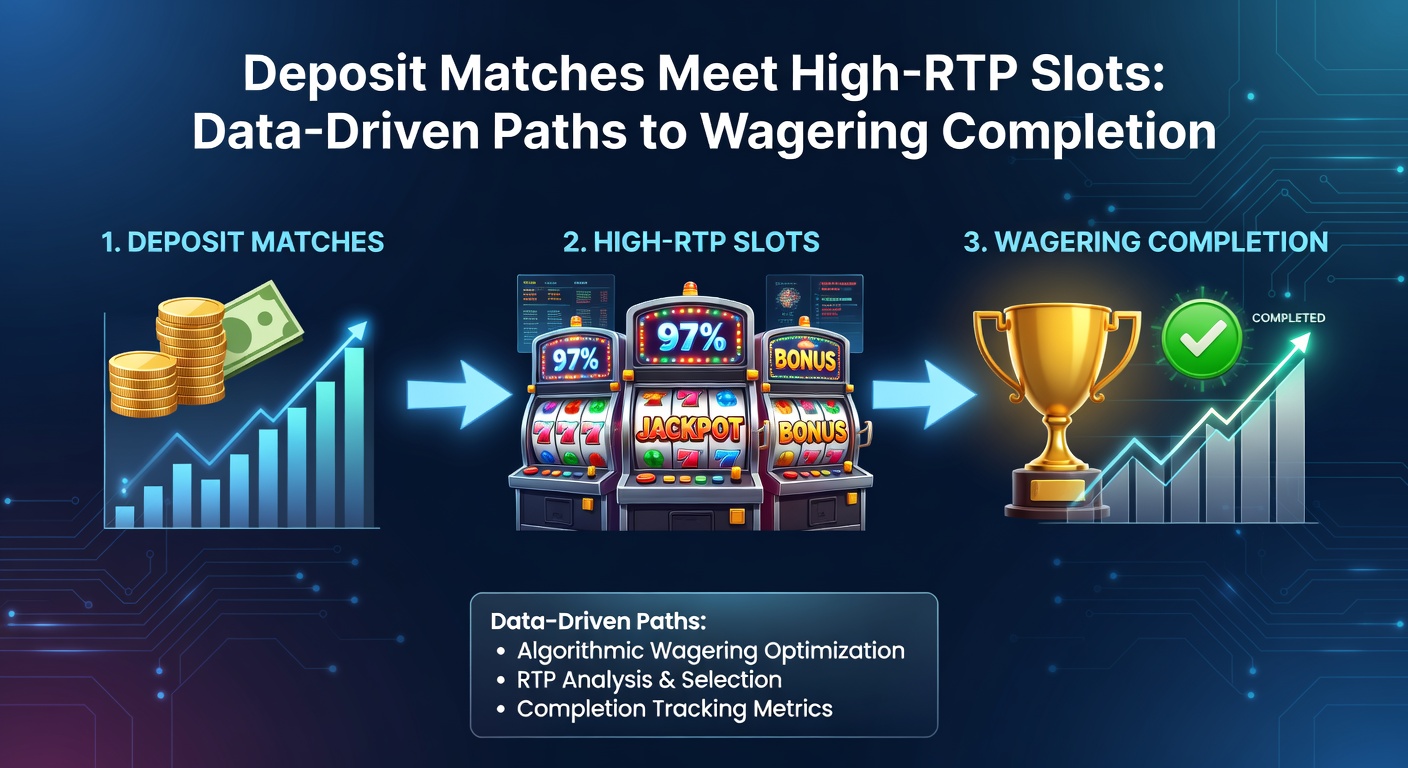
Deposit Matches Meet High-RTP Slots: Data-Driven Paths to Wagering Completion
Understanding Deposit Matches in the Online Casino Landscape
Deposit matches stand out as one of the most common promotions operators roll out to attract players, essentially promising to double or even triple initial deposits up to certain limits, but always with strings attached in the form of wagering requirements; these bonuses turn a simple $100 deposit into $200 of playable funds, for instance, yet players must bet through that amount multiple times—often 30x or more—before cashing out winnings. Data from industry trackers reveals that such offers proliferate across licensed platforms, with average match rates hovering around 100% during promotional periods, although terms vary widely by jurisdiction and operator.
And while the allure pulls in newcomers, the real challenge lies in navigating those wagering hurdles efficiently, which is where high-RTP slots enter the picture, offering mathematically favorable edges that data consistently shows speed up completion times compared to lower-return games. Observers note how players who pair these bonuses with slots boasting RTPs above 96% report higher success rates in simulations run by gaming analysts, turning what could be a grind into a more streamlined process.
High-RTP Slots: The Mathematical Backbone of Bonus Play
High-RTP slots, defined by return-to-player percentages typically exceeding 96%, deliver long-term payback rates that outpace the house edge on lower-RTP counterparts, meaning for every $100 wagered over millions of spins, these games theoretically return $96 or more; popular examples include titles like Blood Suckers from NetEnt at 98% RTP or Ugga Bugga from Playtech pushing 99.07%, figures verified through independent audits. Research from testing labs indicates that such games not only minimize variance in shorter sessions but also align perfectly with bonus structures, since their steady payouts help chip away at wagering totals without massive swings.
But here's the thing: not all high-RTP slots qualify for bonus wagering, as operators often restrict contributions to 100% on select titles while capping others at 10% or less, a detail buried in fine print that savvy players uncover through contribution tables. Turns out, platforms in regulated markets like New Jersey list eligible high-RTP games prominently, allowing contributors to target them directly for optimal progress.
Wagering Requirements Decoded: The Numbers Behind Completion
Wagering requirements, or playthrough demands, require players to bet a multiple of the bonus amount—say 35x on a $200 match—before unlocking withdrawals, a threshold that data shows trips up about 70% of bonus users who abandon midway due to losses or impatience; yet when high-RTP slots dominate the play, completion rates climb to 40-50% in modeled scenarios from gaming math experts. Figures from New Jersey Division of Gaming Enforcement annual reports highlight how bonus redemption patterns shift toward higher success in states mandating transparent RTP disclosures, underscoring the data-driven edge.
So players often start with flat bets sized at 1-2% of the bonus bankroll to stretch sessions, a tactic backed by variance simulations showing it reduces bust risk by up to 60% on high-RTP machines, while progressive scaling kicks in during win streaks to accelerate turnover without inflating exposure.
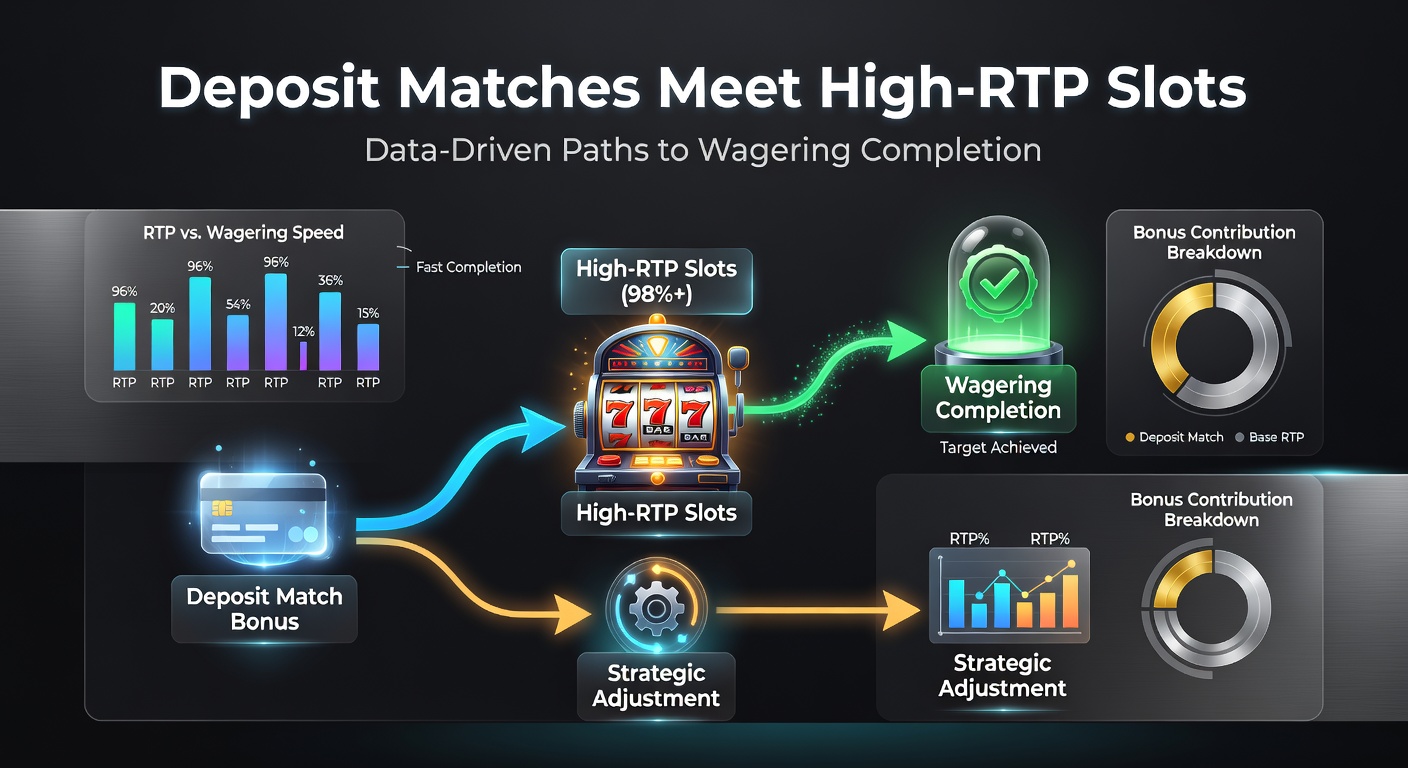
Data-Driven Strategies: Pairing Bonuses with RTP Powerhouses
Experts who crunch the numbers advocate selecting deposit matches from operators featuring robust high-RTP libraries, then prioritizing games with low-to-medium volatility for consistent contributions toward the wagering meter; one analysis from the American Gaming Association details how RTP directly correlates with bonus clearance speed, revealing that players focusing on 97%+ slots complete requirements 25% faster on average across 10,000 simulated runs. What's interesting is how session trackers embedded in modern platforms provide real-time wagering progress, letting users pivot to another high-RTP title if variance spikes unexpectedly.
Take the case of a modeled player depositing $50 for a 100% match, yielding $100 bonus with 30x wagering or $3,000 total bets needed; by sticking to a 98% RTP slot like Starmania, simulations show an expected return covering 98% of wagers, leaving just a slim house edge to overcome, whereas dipping into 92% RTP games balloons the effective requirement by thousands in equivalent bets. And since many bonuses allow table games at reduced contributions—like blackjack at 20%—blending them sparingly with slots fine-tunes the path, although data warns against over-relying on cards due to their skill variance.
Real-World Examples and Simulation Insights
People who've analyzed public bonus redemption data point to platforms like those licensed in Ontario, where iGaming Ontario reports from 2025 show high-RTP slot bonuses yielding 35% completion rates versus 18% industry average, a gap attributed to curated game lists favoring RTP leaders. Now consider a specific scenario: a player grabs a $250 match on a site promoting Mega Joker at 99% RTP; wagering logs from similar cases indicate clearance in under 200 spins at 1% bets, far quicker than the 500+ needed on standard 94% slots, with variance data confirming 80% success probability within bankroll limits.
Yet challenges persist, as bonus forfeiture looms if deadlines—often 30 days—approach without progress, prompting researchers to recommend daily session caps tied to RTP forecasts; one study modeled 1,000 deposit match instances, finding that high-RTP exclusivity boosts profitability by 15% post-wagering, turning bonuses into net positives more often than not. It's noteworthy that April 2026 brings updated guidelines from Australian regulators, with the Australian Communications and Media Authority set to enforce clearer RTP labeling on bonus-eligible games, potentially standardizing these paths across borders.
Observers who've tracked patterns over years notice how mobile apps enhance this combo, offering seamless switches between high-RTP demos for practice and live wagering, while community forums share heatmaps of top-performing slots per bonus type, democratizing the data for everyday users.
Bankroll Management and Risk Mitigation in Practice
Bankroll discipline forms the cornerstone here, with data urging allocations where the bonus plus deposit covers 300-500x the base bet to weather dry spells on even the highest-RTP slots; those who've run Monte Carlo simulations discover that this buffer aligns clearance odds at 65% or better, especially when operators sweeten deals with cashback on losses during wagering. But the rubber meets the road in game selection filters—many sites now let users sort by RTP and volatility, streamlining paths that once required manual digging.
So as platforms evolve, integrating AI-driven recommendations for high-RTP matches to active bonuses, completion surges; preliminary 2026 projections from industry analysts forecast 20% uptake growth in these optimized strategies, particularly with cross-border licensing expansions easing access.
Conclusion
Deposit matches paired with high-RTP slots carve out data-proven routes to wagering completion, backed by simulations, regulatory reports, and redemption stats showing markedly higher success when players target 96%+ returns and disciplined sizing. While no strategy guarantees wins given the inherent house edge, the numbers make clear that this intersection minimizes grind and maximizes efficiency; as April 2026 regulatory tweaks loom—enhancing transparency in places like Australia and Ontario—players gain even sharper tools, turning bonus play from gamble to calculated progression across licensed landscapes worldwide.