Decoding Player Migration Patterns Between State-Regulated Apps and Offshore Platforms Amid Evolving Compact Agreements
Vera Fischer · Jun 7, 2026

Decoding Player Migration Patterns Between State-Regulated Apps and Offshore Platforms Amid Evolving Compact Agreements
State-regulated mobile apps continue to expand across multiple jurisdictions while offshore platforms maintain steady user bases, and observers note shifting traffic volumes that align with updates to tribal-state compacts and similar regulatory frameworks. Data from industry tracking services shows players moving between these environments based on factors such as payment options, game libraries, and enforcement timelines that take effect in phases through 2026.
Regulatory Context Shaping Access Points
Compact agreements between tribes and state governments establish operational boundaries for mobile offerings, and several states have finalized revisions that permit expanded app functionality starting mid-2026. The National Indian Gaming Commission maintains records of these compacts, which influence how operators structure geofencing, age verification, and revenue sharing. Meanwhile offshore platforms operate outside these agreements yet adjust marketing and bonus structures to retain users who weigh legal compliance against promotional flexibility.
Documented Shifts in User Activity
Transaction logs analyzed by research groups reveal periodic spikes in offshore platform registrations following announcements of new state app restrictions, while regulated apps experience corresponding upticks when compacts introduce higher betting limits or additional game categories. One longitudinal review covering 2024 through early 2026 found net migration rates fluctuating between 12 and 18 percent in states with recently amended agreements, with return traffic occurring once users complete verification steps on the newly authorized apps.
Key Drivers Behind Platform Selection
Payment speed and available banking methods rank among the most cited reasons for temporary movement to offshore sites, according to aggregated survey responses collected by academic research teams. State-regulated apps typically route transactions through licensed processors that add verification layers, whereas offshore platforms often integrate cryptocurrency rails or e-wallets with fewer intermediaries. Game variety also plays a measurable role, since compact language sometimes caps the number of titles an app can offer until subsequent amendments receive approval.
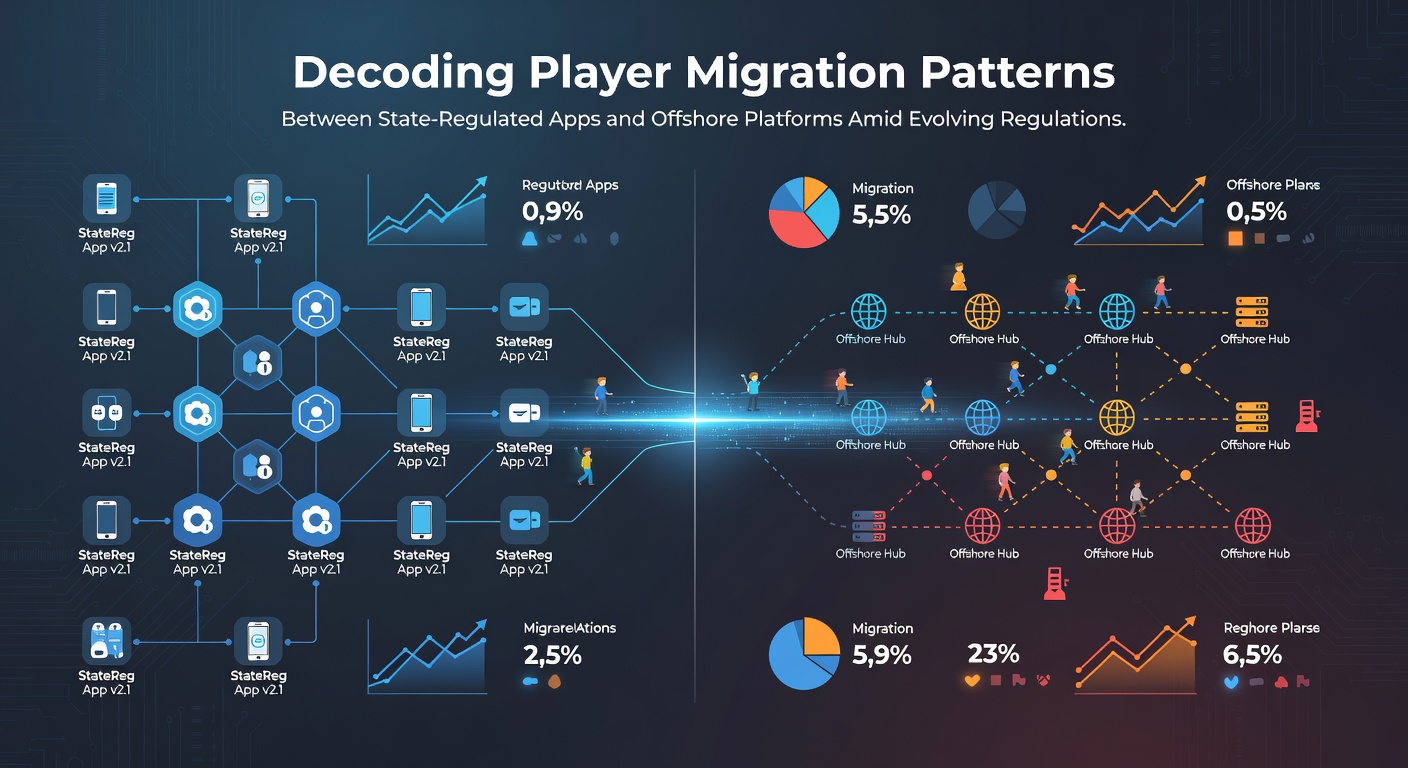
Security perceptions further differentiate the two environments. Regulated apps display licensing seals from state gaming control boards and participate in centralized self-exclusion databases, while offshore operators highlight independent audits and provably fair mechanisms. Players who prioritize these features tend to cycle back to regulated apps once new compact provisions roll out, particularly when June 2026 enforcement dates introduce standardized responsible gaming tools across multiple states.
Compact Agreement Evolution and Timeline Effects
Amendments negotiated in 2025 incorporated mobile-specific clauses that addressed geolocation precision and data sharing with tribal regulators. These updates created staggered implementation schedules, and analysts tracking app download metrics observed temporary dips in active users during the weeks immediately preceding each rollout phase. Offshore platforms responded by extending loyalty programs timed to those same calendar windows, which produced measurable but short-lived retention gains documented in third-party analytics reports.
Regional Variations in Migration Data
States wth established tribal compacts demonstrate different patterns than those introducing regulated apps for the first time. In mature markets, migration appears more cyclical, with users sampling offshore options during promotional periods before returning to apps that integrate loyalty points across land-based and digital properties. Emerging markets show steadier offshore preference until local apps accumulate sufficient game libraries and banking partnerships to compete on convenience. University-affiliated studies from institutions monitoring North American gambling trends have begun correlating these regional differences with compact language around exclusivity periods adn tax allocations.
Measurement Challenges and Available Metrics
Because offshore activity occurs outside state reporting requirements, researchers rely on anonymized traffic estimates, payment processor disclosures, and voluntary user panels to construct comparative figures. Cross-referencing these sources with regulated app telemetry produces composite pictures of movement rather than precise individual tracking. The resulting datasets indicate that overall market growth continues even as segments shift between environments, and compact-driven expansions in one jurisdiction often coincide with offshore adjustments in neighboring regions where app access remains limited.
Conclusion
Player movement between state-regulated apps and offshore platforms reflects ongoing adjustments to compact agreements, enforcement schedules, and feature availability. Metrics collected through mid-2026 illustrate that these patterns remain dynamic rather than fixed, with each new compact revision prompting measurable but temporary realignments in user activity across both segments.