AI-Driven Personalization Engines Reshaping Extended Play Patterns in Hybrid Mobile Slot and Table Game Environments
Leon Carter · Jun 24, 2026
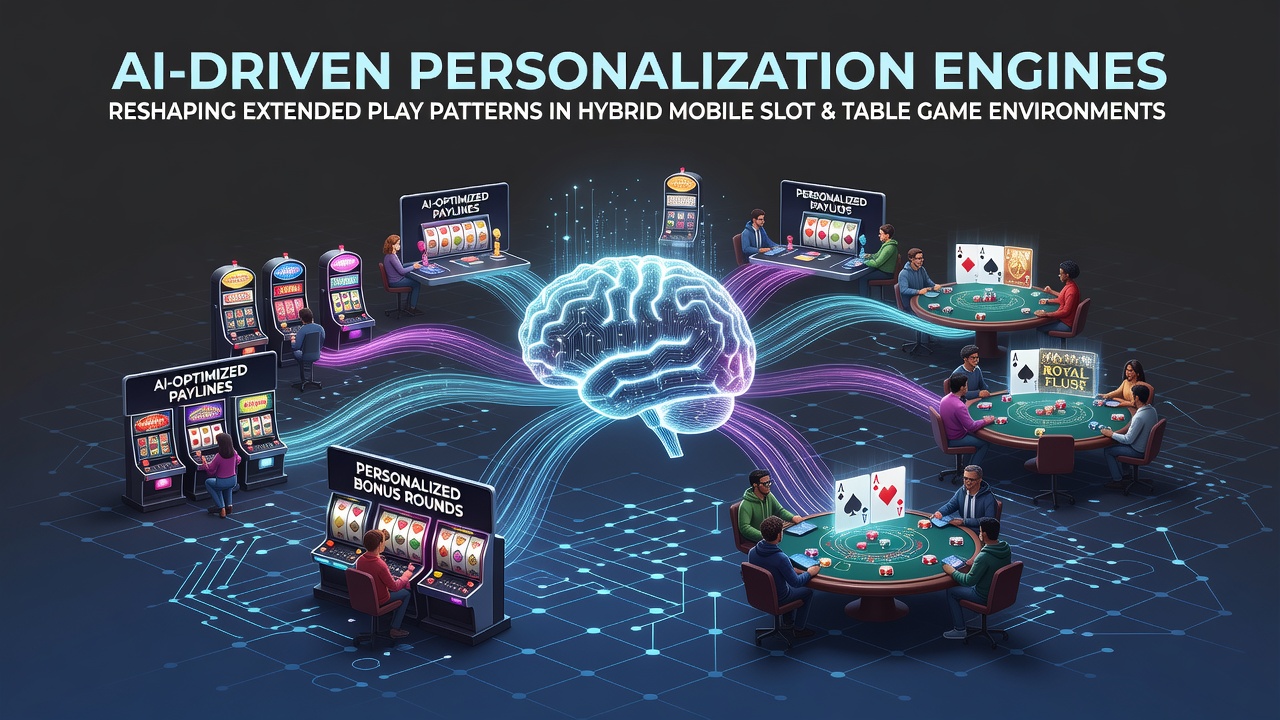
AI-Driven Personalization Engines Reshaping Extended Play Patterns in Hybrid Mobile Slot and Table Game Environments
AI-driven personalization engines now process vast streams of player data across hybrid mobile environments where slot machines sit alongside table games in single applications, and these systems adjust recommendations based on individual session histories rather than generic categories. Operators collect metrics such as spin frequency, bet sizing patterns, game switching behavior, and time spent on specific titles before feeding the information into machine learning models that predict future preferences with increasing accuracy. Research from the University of Nevada Reno's gaming analytics program shows that users exposed to these tailored suggestions extend average session durations by measurable percentages when the engine blends slot mechanics with table game elements in sequence.
Data Inputs Driving Engine Accuracy
Engines pull from device telemetry, transaction logs, and in-game event triggers to build profiles that evolve during each play period, and this continuous updating allows the system to shift from high-volatility slots to lower-stakes table variants when it detects fatigue signals in the data. According to figures released by the New Jersey Division of Gaming Enforcement, mobile platforms using advanced personalization recorded higher rates of cross-genre transitions in the first half of 2026 compared with earlier static recommendation methods. The models incorporate variables like geographic location, time of day, and device type while maintaining compliance boundaries set by multi-state compacts that govern RNG certification and payout reporting.
Effects on Slot Engagement Within Hybrid Apps
Slot sections within these applications receive dynamic reel configurations and bonus trigger rates calibrated to individual risk tolerance data, which encourages longer sequences of play without altering core mathematics. Players who start with classic three-reel titles often receive prompts toward themed video slots that incorporate table-inspired multipliers, and the engine tracks whether those suggestions produce sustained engagement or quick exits. Industry reports from the American Gaming Association indicate that such targeted pathways increased the proportion of sessions exceeding thirty minutes across participating operators during spring 2026 updates.
Table Game Adaptations and Hybrid Flow
Table game modules adjust dealer speed, side bet availability, and rule variations according to the same personalization layer that governs slots, creating smoother transitions when users move between genres. A player finishing a series of blackjack hands might encounter a slot recommendation that mirrors the volatility profile of their recent table decisions, and the engine logs the outcome to refine future suggestions. Observers note that this bidirectional influence reduces abrupt drop-offs that previously occurred when mobile interfaces presented unrelated game categories without contextual linking.
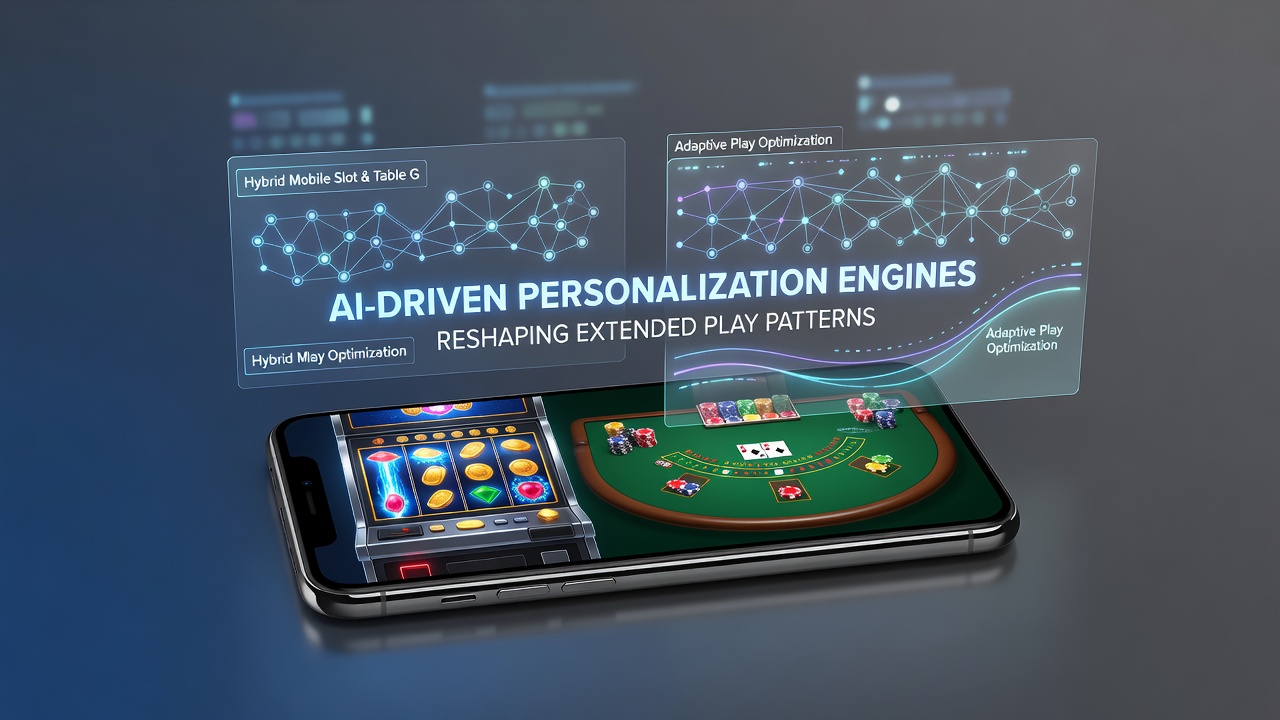
Canadian regulatory filings from the Alcohol and Gaming Commission of Ontario document similar patterns in provincially licensed apps where personalization engines became mandatory for responsible gaming flags by early 2026. Those filings highlight that session length data now factors into automated limit-setting tools that activate when extended play crosses predefined thresholds tied to deposit velocity.
Regulatory and Technical Developments Through Mid-2026
Multi-state compacts in the United States expanded data-sharing protocols in June 2026 to accommodate cross-border personalization while preserving player privacy standards, and these agreements require operators to disclose how AI models influence game ordering without revealing proprietary algorithms. European operators under varying national frameworks adopted comparable standards after reviewing performance metrics that linked personalization depth to retention statistics across slot-table hybrids. Academic papers presented at the International Conference on Gambling and Risk Taking in 2026 examined whether these engines inadvertently concentrate play among narrower demographic slices when recommendation loops reinforce early preferences too strongly.
Technical infrastructure supporting these engines relies on edge computing nodes that reduce latency between data capture and recommendation delivery on mobile networks, and this architecture enables real-time adjustments during live table streams integrated with slot overlays. Payment pathway integrations further feed the models by correlating deposit timing with genre switches, which allows the system to anticipate when users might benefit from hybrid game bundles rather than isolated titles.
Conclusion
AI personalization engines continue to alter how extended play unfolds across mobile platforms that combine slots and table games, with data from regulatory bodies and academic sources confirming measurable shifts in session composition and duration as of June 2026. These systems operate within existing compliance structures that balance operator goals against player protection requirements across multiple jurisdictions. Future updates will likely refine teh balance between predictive accuracy and regulatory transparency as more platforms adopt hybrid formats.